Frequently Asked Questions
How to repressurise a boiler?
Repressurising a boiler involves locating the filling loop, connecting it to the water supply, and turning the valve to allow water into the system until the pressure gauge reads between 1 and 1.5 bar.
What is the ideal boiler pressure?
The ideal boiler pressure is typically between 1 and 1.5 bar when the system is cold. Maintaining this pressure ensures efficient operation and optimal heating performance for your Ideal boiler.
How often should I check boiler pressure?
Checking boiler pressure regularly is essential for optimal performance. It's recommended to check the pressure at least once a month to ensure it remains within the ideal range, helping to prevent potential issues and maintain efficient heating.
What causes low boiler pressure?
The causes of low boiler pressure include leaks in the system, a malfunctioning pressure relief valve, or the need for additional water due to normal usage. Regular maintenance can help prevent these issues.
Can I repressurise my boiler myself?
You can repressurize your boiler yourself. However, it's essential to follow the manufacturer's instructions carefully to ensure safety and efficiency. If you're unsure or encounter issues, it's best to contact a professional like Boiler Sure for assistance.
What tools are needed to repressurise?
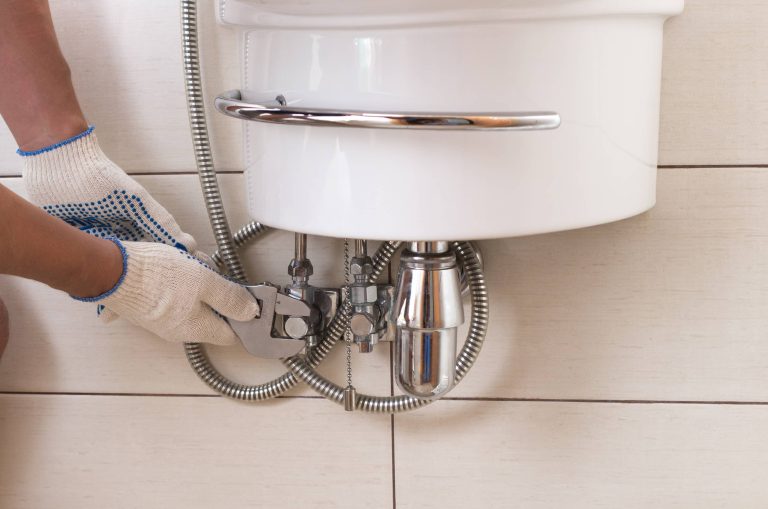
The tools needed to repressurize an Ideal boiler include a radiator key or adjustable spanner for the filling loop valve, and a pressure gauge to monitor the pressure levels.
How long does repressurising take?
Repressurising an Ideal boiler typically takes about 10 to 15 minutes. This process involves checking the pressure gauge, locating the filling loop, and carefully adding water until the desired pressure is reached.
What are signs of low boiler pressure?
The signs of low boiler pressure include a drop in temperature from your radiators, unusual noises coming from the boiler, and a warning light or error code displayed on the boiler’s control panel.
Is low pressure dangerous for boilers?
Low pressure can be dangerous for boilers. It may lead to inefficient heating, increased wear on components, and potential system failures, which can compromise safety and functionality. Regular maintenance is essential to prevent these issues.
How to identify pressure gauge issues?
Identifying pressure gauge issues involves checking for inconsistent readings, leaks around the gauge, or a needle that does not move despite changes in pressure. If these symptoms occur, consider consulting a professional for further evaluation.
What happens if pressure is too high?
High pressure in a boiler can lead to serious issues, including potential damage to the system, leaks, or even a boiler explosion. It's crucial to monitor and maintain appropriate pressure levels for safe operation.
How to maintain ideal boiler pressure?
Maintaining ideal boiler pressure involves regularly checking the pressure gauge and ensuring it stays between 1 and 1.5 bar. If the pressure drops, you can repressurize the boiler using the filling loop, following the manufacturer’s instructions.
Can I use water from the tap?
You can use water from the tap to repressurize your Ideal boiler. Ensure the water is clean and free from contaminants to maintain the system's efficiency and prevent any potential damage.
What is the safe pressure range?
The safe pressure range for an Ideal boiler typically falls between 1 and 1.5 bar when cold, and can rise to a maximum of 2.5 bar when in operation. Maintaining this range ensures optimal performance and safety.
How to troubleshoot pressure problems?
Troubleshooting pressure problems involves checking the boiler's pressure gauge, ensuring the system is properly filled, and inspecting for leaks. If pressure remains low, consult a professional for further diagnosis and repair.
Should I call a professional for help?
Calling a professional for help is advisable, especially if you are unsure about repressurizing your Ideal boiler or if issues persist after following the instructions. Expert assistance ensures safety and optimal boiler performance.
What are common boiler maintenance tips?
Common boiler maintenance tips include regularly checking the pressure, bleeding radiators, ensuring proper ventilation, and scheduling annual professional inspections to maintain efficiency and safety.
How does pressure affect heating efficiency?
The pressure in a boiler directly impacts heating efficiency. Higher pressure ensures optimal circulation of water, leading to better heat distribution and reduced energy consumption, while low pressure can result in inadequate heating and increased fuel costs.
What is the role of the pressure relief valve?
The role of the pressure relief valve is to ensure safety by releasing excess pressure from the boiler system, preventing potential damage or explosions due to overpressure. It helps maintain optimal operating conditions for efficient boiler performance.
How to reset the boiler after repressurising?
Resetting the boiler after repressurising involves locating the reset button, usually found on the front panel, and pressing it until the indicator lights show that the boiler is operational again. Ensure the pressure is stable before resetting.
What are the risks of ignoring low pressure?
Ignoring low pressure in your boiler can lead to inefficient heating, increased energy bills, and potential system damage, which may result in costly repairs or even complete boiler failure.
How to prevent future pressure loss?
To prevent future pressure loss in your Ideal boiler, regularly check for leaks, ensure all radiator valves are fully open, and maintain proper water levels. Scheduling routine maintenance with a professional can also help identify and resolve potential issues early.
What is the ideal pressure for my model?
The ideal pressure for your Ideal boiler model typically ranges between 1.0 and 1.5 bar when cold, and can rise to about 2.0 bar when heated. Maintaining this pressure ensures optimal performance and efficiency.
How does temperature affect boiler pressure?
The effect of temperature on boiler pressure is significant. As the temperature of the water in the boiler increases, the pressure also rises, which is essential for efficient heating. Conversely, lowering the temperature can reduce pressure, potentially leading to operational issues.
Can air in the system cause low pressure?
Air in the system can indeed cause low pressure. When air accumulates, it disrupts the water flow and can lead to insufficient pressure for optimal boiler operation.
What should I do if pressure drops again?
If the pressure drops again, check for leaks in your heating system or radiator valves. If you find no issues, consider repressurizing the boiler again. If the problem persists, contact Boiler Sure for professional assistance.
How to check for leaks in the system?
Checking for leaks in the system involves inspecting visible pipes and connections for any signs of water or dampness. Additionally, monitor your boiler pressure gauge; a drop in pressure may indicate a leak that requires further investigation.
What is the impact of scale buildup?
The impact of scale buildup is significant as it can reduce boiler efficiency, lead to overheating, and increase energy costs. Regular maintenance is essential to prevent these issues and ensure optimal performance.
How to ensure proper water levels?
Ensuring proper water levels in your boiler is essential for optimal performance. Regularly check the pressure gauge and refill the system with water if the pressure drops below the recommended level, typically between 1-1.5 bar.
What maintenance checks should I perform regularly?
Regular maintenance checks you should perform include inspecting the pressure gauge, bleeding radiators, checking for leaks, and ensuring the thermostat is functioning properly. These steps help maintain your boiler's efficiency and prolong its lifespan.