
When your heating system is switched on, you expect every room in your home to warm up quickly and evenly. But many homeowners notice that some radiators stay cold, heat unevenly, or take far too long to warm up. It can be frustrating, especially during colder months in Falkirk when reliable heating is essential.
The good news is that radiator problems are often linked to identifiable issues within the heating system. Sometimes the fix is simple. In other cases, the underlying cause may require professional attention. Understanding what might be going wrong helps you decide whether a quick check at home will solve the problem or whether it is time to arrange a boiler repair.
If your heating system is struggling to keep your home comfortable, you can always contact our team at Boiler Sure for professional guidance or to arrange a heating inspection.
Why are some radiators not heating properly?
Uneven heating is one of the most common complaints in UK homes. When radiators fail to heat up correctly, the cause is usually related to airflow, water circulation, or system pressure.
A central heating system relies on hot water moving freely from the boiler through pipework and into each radiator. If anything interrupts that flow, certain radiators may stay cold or only warm in specific areas.
Common symptoms include:
- Radiators cold at the top but warm at the bottom
- Radiators warm in one room but cold in another
- The heating system taking longer than usual to warm the house
- Some radiators staying completely cold
These symptoms often point to issues that can develop gradually over time.
What are the most common causes of cold radiators?
Several issues can affect radiator performance in homes across Falkirk. Some are relatively minor, while others may indicate deeper problems within the heating system.
Trapped air in the radiator
Air can accumulate inside radiators, preventing hot water from circulating properly. This often causes the top of the radiator to feel cold while the bottom remains warm.
Bleeding the radiator usually releases this trapped air and restores normal heating.
Sludge build-up in the system
Over time, heating systems can collect debris such as rust, dirt, and limescale. This material forms a thick sludge that settles inside radiators and pipework.
When this happens, water flow becomes restricted, which can lead to:
- Cold patches on radiators
- Slow heating response
- Increased strain on the boiler
Professional system cleaning may be required to remove the sludge and restore circulation.
Incorrect boiler pressure
Your heating system depends on maintaining the correct pressure. If pressure drops too low, the system may struggle to move hot water through the radiators.
Checking the pressure gauge on the boiler is often the first step. If it regularly falls outside the recommended range, a boiler repair may be necessary to resolve the underlying issue.
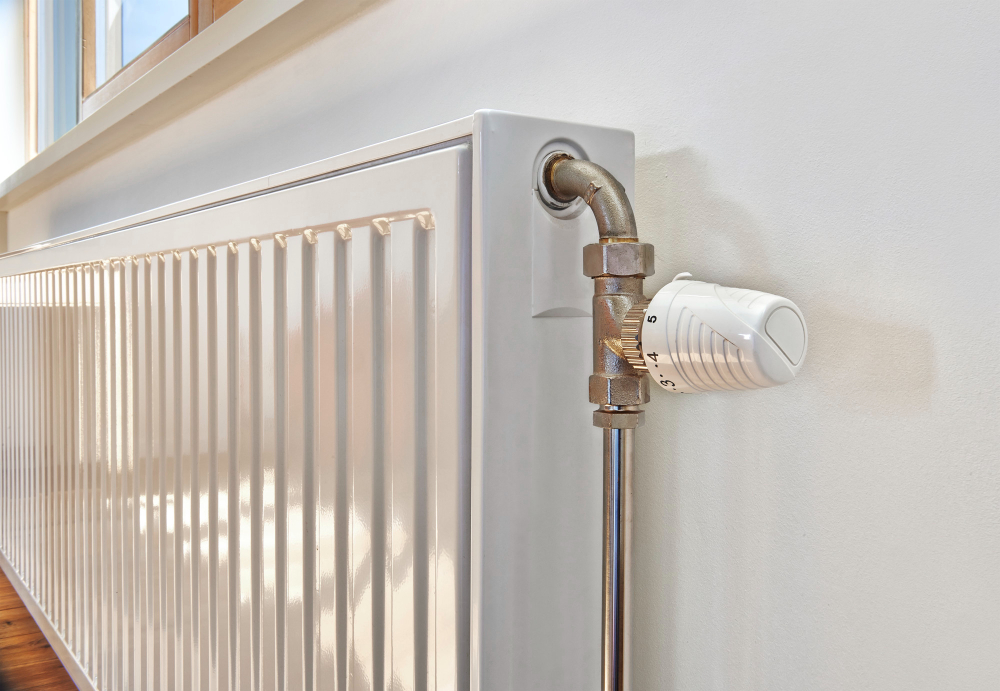
Faulty thermostatic radiator valves (TRVs)
TRVs control the amount of hot water entering each radiator. If these valves stick or become faulty, they can prevent the radiator from heating up properly.
In many cases, the valve may simply need adjustment or replacement.
Could the issue be related to the boiler?
While many radiator issues originate within the radiators themselves, the boiler plays a central role in heating performance.
If the boiler cannot circulate water effectively, the entire system may struggle to distribute heat evenly. Problems that sometimes affect radiator performance include:
- A failing pump inside the boiler
- Blocked system components
- Incorrect system balancing
- Internal boiler faults
If you have already checked the obvious issues but radiators remain cold, it may be time to arrange a boiler repair so the system can be inspected professionally.
Quick checks homeowners can try first
Before calling an engineer, there are a few simple checks that homeowners can carry out safely.
| Check | What to Look For | Possible Outcome |
| Radiator bleeding | Air released from the valve | Radiator heats evenly |
| Boiler pressure | Gauge within recommended range | System runs more efficiently |
| Thermostat settings | Heating schedule active | Radiators begin warming |
| TRV position | Valve not stuck or closed | Water flows properly |
These steps can often solve minor issues without requiring professional intervention.
However, if problems return quickly or affect multiple radiators, it usually indicates a deeper system issue.
When should you call a heating engineer?
Some heating issues require specialist knowledge and equipment. Ignoring persistent radiator problems can sometimes lead to larger and more expensive repairs.
You should consider professional help if:
- Multiple radiators remain cold despite bleeding
- The boiler frequently loses pressure
- Radiators heat unevenly throughout the home
- Strange noises are coming from the heating system
A qualified engineer can assess the entire heating setup and determine whether the issue lies with circulation, valves, pipework, or the boiler itself.
If your radiators are still not heating properly, you can speak to our team at Boiler Sure for expert advice or to book a system inspection.
Why do heating problems appear more often in older Falkirk homes?
Many properties in Falkirk include older heating systems that have been upgraded gradually over time. While these systems can still perform well, they sometimes develop compatibility issues between newer and older components.
Typical challenges include:
- Older pipework restricting modern boilers
- Systems that have never been properly flushed
- Radiators added to the system without rebalancing
When systems expand or change over the years, water circulation may become uneven. Addressing these issues often improves heating efficiency and comfort throughout the home.
A typical radiator problem in a Falkirk property
A homeowner in Falkirk recently noticed that two upstairs radiators remained cold even though the rest of the house warmed normally. Initially, they suspected the radiators themselves were faulty.
After inspection, the real cause turned out to be a combination of trapped air and partial sludge build-up. Once the radiators were bled and the system cleaned, heat distribution returned to normal.
Situations like this are common. What seems like a major heating fault can sometimes be resolved with targeted maintenance and professional system checks.
How can you prevent radiator heating issues?
Regular heating maintenance helps prevent many common radiator problems.
Simple steps include:
- Bleeding radiators annually before winter
- Monitoring boiler pressure occasionally
- Scheduling routine heating system servicing
- Ensuring new radiators are properly balanced
Preventative care keeps the system running efficiently and reduces the likelihood of unexpected heating failures.
If your system repeatedly develops faults, arranging a professional boiler repair inspection can help identify the root cause before it becomes more serious.
Keeping Your Falkirk Home Warm and Comfortable
Radiators that fail to heat properly are often a sign that something within the heating system needs attention. While simple checks such as bleeding radiators or adjusting valves can sometimes fix the issue, persistent problems usually point to circulation or system faults.
Addressing these issues early helps keep your heating running efficiently and prevents larger breakdowns later.
If your heating system is struggling to keep your home warm, you can contact Boiler Sure to arrange an inspection or speak with a heating specialist for tailored advice.


