A boiler that keeps losing pressure is a common concern for homeowners, especially during colder months when heating systems are working harder. While it may seem alarming at first, pressure drops are often linked to specific and identifiable issues within the heating system.
In many cases, the problem can be traced back to leaks, faulty components, or recent maintenance work. Knowing what to check first can help you determine whether it is a simple adjustment or something that requires professional attention.
If your heating system regularly loses pressure, it may eventually affect the performance of your radiators and hot water. In those situations, arranging a boiler repair Falkirk inspection can help ensure the system continues running safely and efficiently.
If your boiler pressure keeps dropping and you are unsure why, you can contact our team at Boiler Sure to arrange a heating system check and expert advice.
Why does boiler pressure matter?
Boiler pressure is essential for circulating hot water through your central heating system. Without the correct pressure level, the boiler cannot push heated water through pipework and radiators effectively.
Most modern boilers operate best within a pressure range of 1 to 1.5 bar when the system is cold. When pressure falls significantly below this level, several issues may appear, including:
- Radiators heating slowly or unevenly
- Reduced hot water performance
- Error codes on the boiler display
- The boiler shutting down automatically
Maintaining stable pressure helps keep the entire heating system functioning properly.
What should you check if your boiler keeps losing pressure?
If your boiler pressure drops occasionally, there are a few checks homeowners can safely carry out before calling an engineer.
Check the pressure gauge
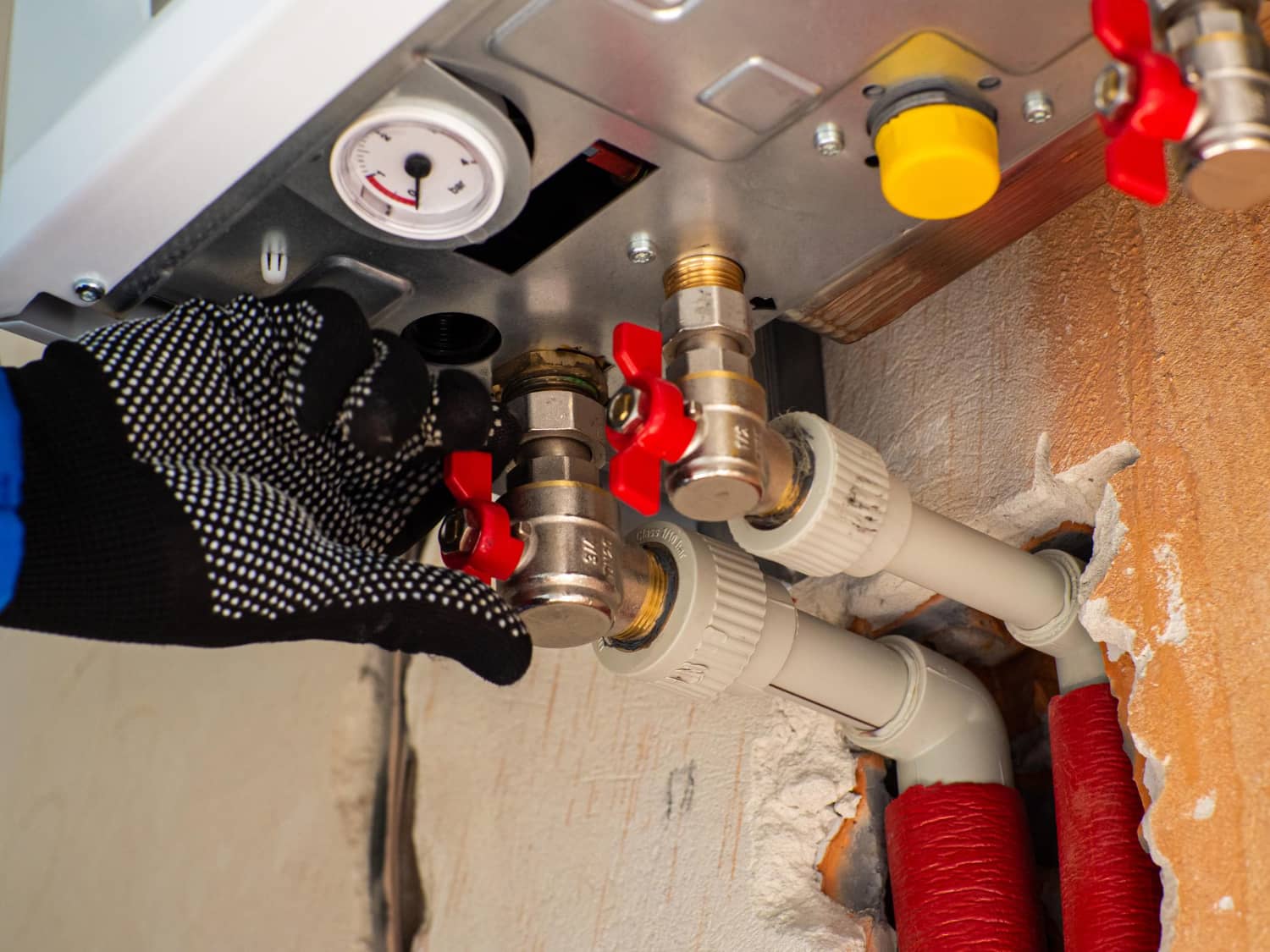
The pressure gauge is usually located on the front of the boiler. If the needle sits below the recommended range, the system may need to be topped up using the filling loop.
However, if the pressure drops repeatedly after refilling, the issue likely lies elsewhere in the system.
Inspect visible pipework and radiators
Small leaks can cause pressure loss over time. These leaks are sometimes easy to spot around radiator valves, pipe joints, or beneath the boiler.
Look for signs such as:
- Damp patches near pipe connections
- Water droplets around radiator valves
- Staining on floors or skirting boards
Even a slow leak can gradually lower system pressure.
Check whether radiators were recently bled
Bleeding radiators releases trapped air from the system. However, this process also lowers system pressure slightly.
If radiators were recently bled, the boiler may simply need to be repressurised. Once topped up, the pressure should remain stable.
Could a leak inside the boiler cause pressure loss?
Yes, internal boiler leaks can sometimes cause pressure to drop. These leaks may involve components such as seals, valves, or the heat exchanger.
Unlike external leaks, these issues are often difficult to identify without specialist knowledge. Warning signs may include:
- Pressure dropping rapidly after being topped up
- Water collecting beneath the boiler casing
- Unusual noises during operation
When internal components are involved, a professional inspection is usually required. In these situations, a boiler repair Falkirk service can help diagnose the fault and restore safe operation.
Is the pressure relief valve causing the problem?
The pressure relief valve (PRV) is a safety feature designed to release excess pressure from the heating system. If the system pressure becomes too high, the valve opens to prevent damage.
However, if the valve becomes faulty or partially stuck open, it can allow pressure to escape even when the system is operating normally.
Signs of a PRV issue include:
- Water dripping from the external overflow pipe
- Pressure dropping soon after the system is topped up
- Boiler pressure fluctuating frequently
Replacing the valve usually resolves this issue.
Quick troubleshooting guide for homeowners
The following table outlines some common causes of pressure loss and how they may be resolved.
| Possible Cause | Typical Signs | Potential Solution |
| Radiator bleeding | Pressure drops after maintenance | Repressurise the system |
| Small pipe leak | Damp spots near joints or valves | Repair or tighten connections |
| Faulty pressure relief valve | Water from overflow pipe | Replace PRV |
| Internal boiler fault | Rapid pressure loss | Professional inspection |
These checks can often help narrow down the cause of the problem before calling an engineer.
When should you call a heating professional?
If the pressure drops occasionally but remains stable after topping up, the issue may not be urgent. However, persistent pressure loss usually indicates an underlying fault that needs attention.
You should consider contacting a professional if:
- Pressure drops within hours of topping up
- Water is visible around the boiler
- The boiler shuts down due to low pressure
- Radiators stop heating properly
In these cases, arranging a boiler repair Falkirk inspection helps prevent further damage and ensures the system remains safe to operate.
If you notice repeated pressure drops, our team at Boiler Sure can assess the system and identify the cause before it develops into a larger heating problem.
Do older heating systems lose pressure more often?
Older heating systems can be more prone to pressure fluctuations, especially if components have worn over time. Pipework, valves, and seals naturally degrade with age, increasing the likelihood of minor leaks.
Additionally, systems that have been modified over the years may develop circulation or pressure imbalances. For example:
- Extra radiators added to the system
- Pipework upgrades without full system balancing
- Older expansion vessels losing effectiveness
Regular servicing helps identify these issues early and maintain stable system pressure.
A typical pressure issue in a Falkirk home
A homeowner in Falkirk recently reported that their boiler pressure dropped every few days. Initially, they assumed the system simply needed topping up.
However, after a heating inspection, a small leak was discovered in the pipework beneath the boiler. The leak was slow but continuous, gradually reducing system pressure.
Once the connection was repaired and the system repressurised, the pressure remained stable and the heating system operated normally again.
Situations like this highlight how small faults can sometimes create noticeable heating problems.
How to reduce the risk of pressure problems
Preventative maintenance plays an important role in avoiding pressure-related issues.
Homeowners can help maintain their heating systems by:
- Scheduling annual boiler servicing
- Monitoring pressure levels occasionally
- Addressing small leaks promptly
- Avoiding repeated DIY refilling if pressure keeps dropping
If pressure issues become frequent, it is best to arrange a professional inspection rather than continuing to refill the system.
Keeping Your Heating System Running Reliably
Boiler pressure plays a crucial role in how effectively your heating system operates. While occasional pressure adjustments are normal, repeated drops often point to leaks, worn components, or system faults.
Identifying the cause early can help prevent larger heating issues and keep your home warm throughout the year.
If your boiler continues losing pressure, you can contact Boiler Sure to arrange a professional heating inspection and get expert guidance tailored to your home.