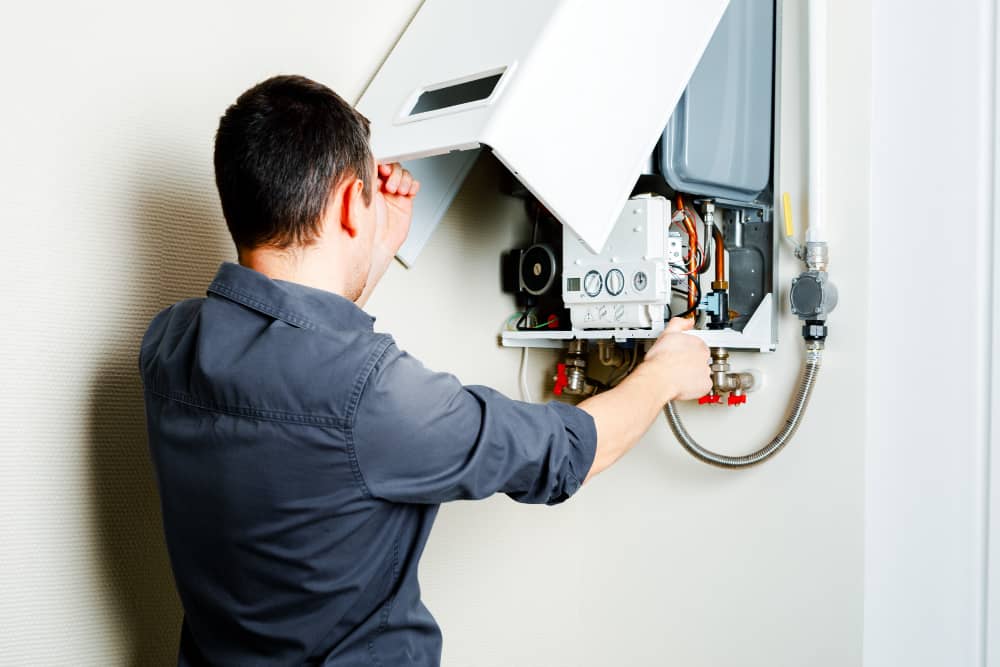
When a boiler stops working properly, one of the first questions homeowners ask is how much it will cost to fix. The truth is that the boiler repair cost can vary depending on several factors, from the type of fault to the age of the heating system.
While some problems can be resolved quickly with minor adjustments, others may involve replacing components or diagnosing deeper system issues. Understanding what influences the final price helps homeowners make informed decisions when their heating system needs attention.
If your heating system begins showing signs of trouble, addressing the problem early often prevents small issues from turning into larger and more expensive repairs.
If your boiler has developed a fault, you can contact our team at Boiler Sure for expert advice and a professional heating inspection.
What affects boiler repair costs?
Several variables influence the total cost of repairing a boiler. Some relate to the specific fault, while others depend on the condition of the heating system itself.
Common factors include:
- The type of boiler installed
- The complexity of the fault
- The parts required for the repair
- The time needed to diagnose the issue
- The overall condition of the heating system
Because every heating system is slightly different, engineers typically assess the problem before providing a clear repair estimate.
Are some boiler faults cheaper to fix than others?
Yes, certain issues are generally quicker and less expensive to resolve than others. Minor faults often involve adjustments, cleaning, or replacing small components.
Typical lower-cost repairs may include:
- Replacing a faulty thermostat
- Resetting system pressure issues
- Fixing small leaks in accessible pipework
- Replacing simple electrical components
These types of problems can often be resolved relatively quickly, keeping the overall boiler repair cost lower.
However, more complex faults may require additional labour and replacement parts.
Which problems tend to increase repair costs?
More significant boiler faults usually involve internal components that are harder to access or more expensive to replace.
Examples include:
- Heat exchanger issues
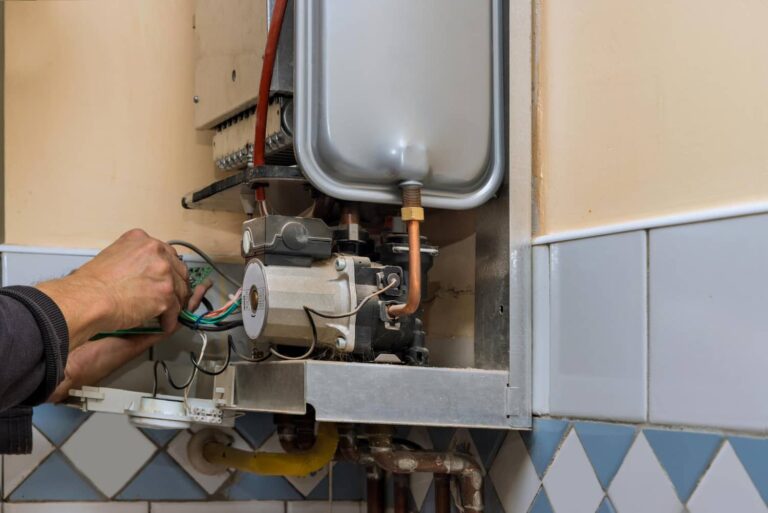
- Circulation pump failure
- Gas valve faults
- Printed circuit board (PCB) problems
These repairs may require additional diagnostic work or specialist components. As a result, the boiler repair cost can increase depending on the nature of the issue.
It is also worth noting that older boilers sometimes require parts that are harder to source, which may influence the final repair price.
Typical repair scenarios and their complexity
While exact costs vary, understanding the complexity of common faults can give homeowners a general idea of what to expect.
| Type of Issue | Complexity Level | Typical Work Involved |
| Low pressure or air in system | Low | Pressure adjustment or radiator bleeding |
| Faulty thermostat | Low to medium | Component replacement |
| Pump failure | Medium | Removing and installing a new pump |
| Heat exchanger issue | High | Major internal repair |
The complexity of the work often determines how long the repair takes and which parts are required.
Does boiler age affect repair decisions?
The age of the boiler can play a significant role in whether a repair is the most practical solution.
Newer boilers are generally easier to repair because parts are widely available and the systems are still within their expected lifespan. In these cases, repairs are usually worthwhile.
Older boilers may present different challenges. Components may be harder to find, and the system may already be operating less efficiently. In some situations, repeated repairs could eventually cost more than upgrading the heating system.
A professional heating engineer can assess whether a repair remains the best option for your situation.
Can maintenance reduce future repair costs?
Regular servicing is one of the most effective ways to prevent expensive heating problems.
Annual servicing allows engineers to identify small issues before they develop into major faults. This can help maintain system efficiency while reducing the risk of unexpected breakdowns.
Routine maintenance often includes:
- Checking boiler pressure and controls
- Inspecting internal components
- Testing safety systems
- Identifying worn or damaged parts early
By addressing these issues during routine servicing, homeowners may avoid larger problems that significantly increase the boiler repair cost later.
What should homeowners check before calling an engineer?
While many boiler faults require professional attention, there are a few basic checks homeowners can safely perform before arranging a repair.
These include:
- Confirming the thermostat is set correctly
- Checking the boiler pressure gauge
- Ensuring the power supply is active
- Making sure the heating timer is switched on
Occasionally, heating issues are caused by simple settings rather than mechanical faults.
If these checks do not resolve the issue, a heating engineer can investigate further.
If your boiler still isn’t working properly after basic checks, you can speak to our team at Boiler Sure for professional guidance and system diagnostics.
Why acting early can save money
Delaying heating repairs can sometimes make the situation worse. Small faults can place extra strain on the system, eventually leading to larger failures.
For example:
- A minor circulation problem may cause overheating
- Low pressure may affect radiator performance
- Small leaks can damage surrounding components
Early intervention helps keep repairs manageable and protects the overall heating system.
A typical repair situation in a Falkirk home
A homeowner in Falkirk recently noticed their heating system shutting down intermittently. At first, they suspected a thermostat issue.
After inspection, the engineer discovered a failing circulation pump. While the pump replacement required some labour, addressing the problem early prevented damage to other components.
Situations like this show how diagnosing faults quickly can keep heating systems operating safely and efficiently.
How to keep your heating system running smoothly
Taking a proactive approach to heating maintenance helps reduce the likelihood of unexpected breakdowns.
Simple steps homeowners can follow include:
- Booking annual boiler servicing
- Monitoring pressure levels occasionally
- Addressing unusual noises quickly
- Ensuring radiators heat evenly
Maintaining the heating system helps improve reliability and reduces the risk of costly repairs.
Expert Heating Support When You Need It
Understanding what affects the boiler repair cost helps homeowners prepare for heating system issues and make informed decisions about repairs.
While some problems are minor, others may require professional diagnosis to ensure the system continues operating safely and efficiently.
If your heating system has developed a fault, you can contact Boiler Sure to arrange a professional inspection and receive clear guidance on the best solution for your home.