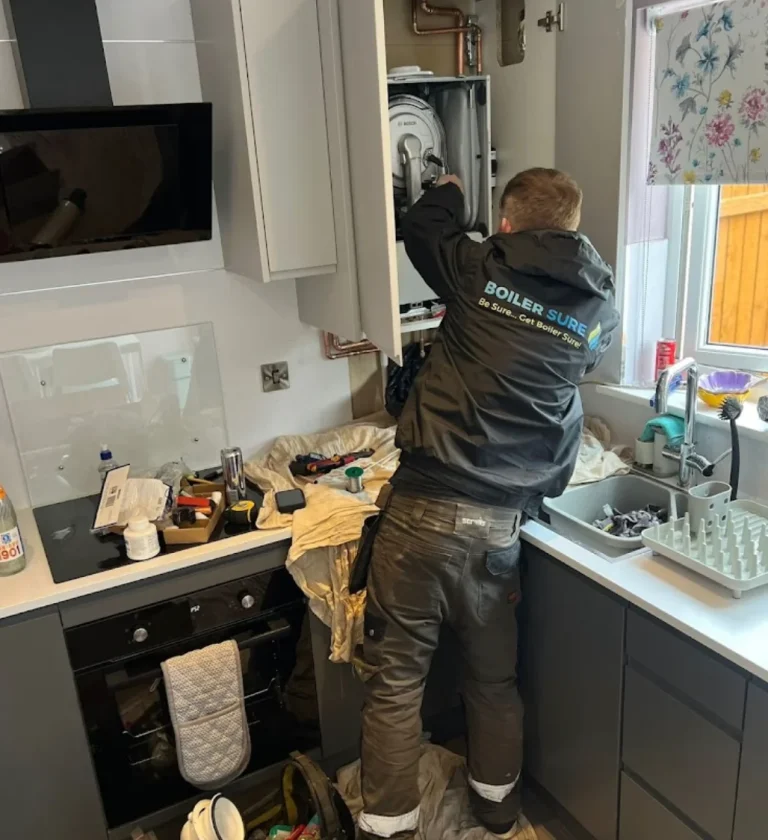

When homeowners think about improving heating performance, they often focus on the boiler itself. However, the way a heating system is installed can have just as much impact on comfort and efficiency as the appliance you choose.
Even a high-quality boiler may struggle to heat a home properly if the installation is not carried out with the wider heating system in mind. Radiator performance, water circulation, and system balance all depend on careful planning during installation.
For homeowners considering boiler installation Falkirk, understanding the importance of a whole-system approach can make a noticeable difference in heating performance throughout the property.
If you are planning a new heating system, you can speak to our team at Boiler Sure for expert advice on choosing and installing the right setup for your home.
Why does boiler installation affect radiator performance?
A boiler works by heating water and circulating it through pipework to the radiators around the home. For this process to work efficiently, the entire system needs to be properly designed and balanced.
If the installation focuses only on replacing the boiler without assessing the rest of the heating system, several issues may appear later.
These may include:
- Radiators heating unevenly
- Some rooms staying colder than others
- Longer warm-up times
- Higher energy consumption
A properly planned boiler installation Falkirk considers the size of the property, the number of radiators, and how heat should be distributed throughout the home.
What happens when heating systems are not balanced properly?
System balancing is a crucial part of any heating installation. It ensures that hot water flows evenly to each radiator rather than favouring those closest to the boiler.
Without balancing, some radiators may receive more hot water while others struggle to warm up. This often leads to common complaints such as cold bedrooms or slow-heating living areas.
Professional installers adjust radiator valves to regulate the flow of water through each unit. This process ensures the heating system distributes warmth consistently across the home.
Can radiator size affect heating performance?
Yes, radiator sizing plays an important role in heating efficiency. Each room requires a specific level of heat output based on factors such as:
- Room size
- Insulation levels
- Window placement
- Ceiling height
If radiators are undersized, they may struggle to produce enough heat, even if the boiler is functioning perfectly.
During boiler installation Falkirk, experienced engineers often assess whether existing radiators are suitable for the new system or whether upgrades may improve performance.
How pipework design influences heating efficiency
The layout and condition of pipework also affect how effectively heat circulates through the system.
Older properties sometimes have pipework designed for previous heating systems, which may not suit modern boilers. For example, narrow pipes or inefficient routing can restrict water flow.
A well-planned installation may involve improving sections of pipework to allow smoother circulation. This helps radiators heat faster and improves overall system efficiency.
Understanding the factors that influence installation costs
Homeowners often ask why boiler installation costs can vary between properties. The reason is that every heating system is different.
Several factors influence the final price, including:
- The type and size of the boiler
- The complexity of the installation
- Any pipework modifications required
- System cleaning or flushing
- Upgrading radiators or controls
The table below outlines some common installation factors and how they affect heating performance.
| Installation Factor | Impact on Heating System | Importance |
| Correct boiler sizing | Ensures efficient heat output | High |
| System balancing | Even radiator heating | High |
| Pipework condition | Improves water circulation | Medium |
| Radiator compatibility | Ensures adequate heat output | Medium |
Understanding these factors helps explain why boiler installation costs are not always identical between homes.
Should you upgrade radiators when installing a new boiler?
In many cases, existing radiators will continue working perfectly well with a new boiler. However, there are situations where upgrades may improve heating performance.
You might consider replacing radiators if:
- They are significantly undersized for the room
- They have heavy internal sludge build-up
- They struggle to heat evenly
- The property layout has changed over time
A heating engineer can assess whether radiator upgrades would improve the performance of the new system.
A common heating upgrade scenario in Falkirk
A homeowner in Falkirk recently replaced an ageing boiler with a modern high-efficiency model. While the new appliance worked correctly, several radiators still struggled to heat the property evenly.
After reviewing the system, the installer discovered that the original pipework layout restricted water flow to the upper floor. By adjusting the pipe configuration and rebalancing the radiators, the heating system began performing far more effectively.
Situations like this highlight how installation quality can influence heating comfort long after the boiler has been fitted.
Why experienced installers take a whole-system approach
Experienced heating engineers look beyond the boiler itself when designing a new heating system. Their goal is to optimise the entire system so that every component works together effectively.
A whole-system approach typically includes:
- Assessing heat demand throughout the property
- Evaluating the condition of radiators
- Checking pipework efficiency
- Balancing the heating system correctly
This level of attention helps ensure homeowners receive consistent heating performance throughout the property.
If you are planning a heating upgrade, our team at Boiler Sure can assess your existing system and recommend the most efficient installation approach for your home.
How homeowners can maximise heating efficiency
Once a new heating system has been installed, a few simple habits can help maintain its performance.
Homeowners can improve heating efficiency by:
- Keeping radiators clear of furniture
- Bleeding radiators when necessary
- Scheduling regular boiler servicing
- Using programmable heating controls
These small steps help maintain balanced heating and ensure the system continues operating efficiently.
Getting the Most from Your Heating System
A new boiler can significantly improve comfort and efficiency, but installation quality plays a major role in how well the entire heating system performs. When the boiler, pipework, and radiators are properly assessed and balanced, homeowners benefit from faster warm-up times and more consistent heating.
If you are considering a heating upgrade, contact Boiler Sure to discuss your options and arrange a professional system assessment tailored to your property.