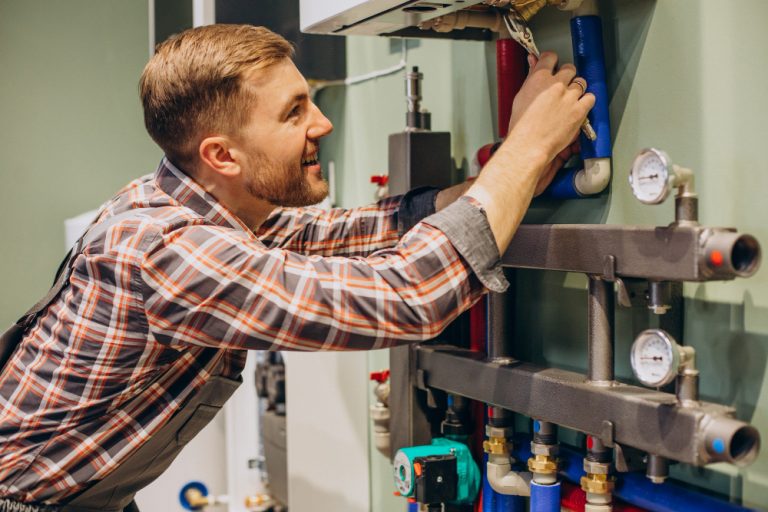

A new gas boiler can provide dependable heating and hot water for many years, but safe installation should always be treated as a priority. For first-time homeowners, the technical side of a replacement can seem complicated, particularly when terms such as flue, ventilation, combustion and gas safety start appearing in a quotation.
The good news is that homeowners do not need to become heating specialists. The important thing is knowing what questions to ask, what professional checks should take place and what documentation should be provided when the work is complete.
This guide explains the essential safety points to understand before arranging a gas boiler replacement in an Edinburgh property.
Why Is Professional Gas Boiler Installation So Important?
Gas appliances need to be installed correctly because faults involving gas, combustion or flue gases can create serious safety risks.
A professional installation should consider the boiler itself as well as the surrounding system. This can include the gas supply, flue route, ventilation where required, controls, pipework and safe operation of the appliance.
For homeowners, one of the simplest rules is to make sure gas work is carried out by an appropriately qualified and registered professional.
A gas boiler installation company should be able to explain who will carry out the work and what certification or documentation will be provided afterwards.
If you are arranging your first replacement, contact Boiler Sure to discuss the proposed installation and ask any questions about the work before you commit. Clear advice at the beginning can make the process considerably easier.
What Should an Installer Check Before Fitting a New Boiler?
A proper assessment should happen before the old boiler is removed. The installer needs to establish whether the proposed appliance and its installation arrangement are suitable for the property.
Key areas can include:
- Existing boiler location
- Proposed boiler position
- Flue route and termination
- Gas supply and pipework
- Water connections
- Heating system condition
- Ventilation requirements
- Boiler output
- Access for servicing
- Suitable heating controls
The existing boiler position may be suitable for a replacement, but this should never be assumed. The new appliance may have different requirements, and the flue arrangement must be appropriate for the new installation.
An assessment also gives the homeowner an opportunity to understand whether any additional work is likely to be needed.
What Is the Flue and Why Does It Matter?
The flue is one of the most important safety components of a gas boiler installation. It carries combustion gases away from the appliance and safely discharges them outside.
Its route and termination need to meet applicable requirements. The installer should therefore assess the proposed flue position rather than simply assuming that the existing arrangement can be reused.
For a first-time buyer, this is worth asking about because changes to the flue can affect the scope and cost of an installation.
A professional gas boiler installation company should explain any proposed flue alterations clearly and identify them in the quotation where possible.
Does the Boiler Need Ventilation?
Ventilation requirements depend on the appliance and installation arrangement.
Modern boilers are commonly room-sealed, meaning combustion takes place within a sealed chamber and air for combustion is drawn through the flue system. However, the specific installation still needs to comply with the relevant requirements.
Homeowners should never block, alter or cover ventilation openings without professional advice.
If an installer identifies a ventilation requirement, ask them to explain its purpose and how it will be incorporated safely into the installation.
What Gas Safety Questions Should First-Time Buyers Ask?
You do not need to know every technical detail to make sensible checks.
Before work begins, ask:
- Is the installer appropriately qualified and registered for the gas work involved?
- Is the proposed boiler suitable for the property?
- Will the existing gas pipework be checked?
- Has the flue arrangement been assessed?
- Are there any ventilation requirements?
- What safety testing will be completed?
- What certification will I receive?
- Who will register the installation where required?
- What servicing requirements apply to the boiler?
- What should I do if the boiler develops a fault?
A professional installer should answer these questions confidently and in plain English.
What Happens During a Safe Boiler Installation?
The exact process varies between properties, but a typical replacement involves more than simply disconnecting one appliance and connecting another.
The installer may:
- Safely isolate the existing boiler
- Remove the old appliance
- Prepare the installation area
- Check or modify relevant connections
- Install the new boiler
- Connect the heating and hot water system
- Install or update controls
- Complete the flue installation
- Test the appliance and system
- Check safe operation
- Explain basic operation to the homeowner
- Complete the appropriate documentation
The final checks are particularly important. The installer should verify that the appliance is operating correctly and safely before leaving the property.
What Safety Documentation Should You Receive?
Documentation is an important part of completing the installation.
Depending on the work carried out, homeowners may receive information relating to the boiler, installation and relevant certification. The exact documentation can vary according to the circumstances.
Keep these records somewhere safe. They may be useful when arranging future servicing, dealing with warranty matters or selling the property.
If you are unsure what paperwork should be provided, ask the installer before the work begins rather than after the installation has been completed.
Can the Existing Gas Pipework Cause Problems?
It can. Older properties may have gas pipework that needs to be assessed before a replacement boiler is fitted.
A modern appliance may have different requirements from the old boiler. The installer should therefore check whether the existing gas supply and pipework are suitable for the proposed appliance.
This is another reason why a proper quotation should be based on an assessment rather than a simple online price.
A homeowner should be told about any necessary alterations before work starts wherever reasonably possible.
How Should You Compare Gas Boiler Installation Quotes?
Safety should be considered alongside price when comparing quotations.
| What to compare | Why it matters |
| Boiler model | Confirms exactly what is being supplied |
| Boiler output | Helps establish suitability |
| Flue work | Shows whether changes are included |
| Gas pipework | Identifies potential alterations |
| Controls | Confirms what heating controls are supplied |
| Labour | Clarifies installation scope |
| Certification | Confirms what documentation is provided |
| Warranty | Shows manufacturer coverage |
| Aftercare | Explains what support is available |
A quote that is slightly cheaper may not offer better value if important installation work or components have been excluded.
When comparing gas boiler installation Edinburgh homeowners should look at the complete scope rather than focusing only on the appliance price.
If you are comparing installation options, Boiler Sure can explain the proposed boiler, installation requirements and included work. Speaking to an experienced team before accepting a quote can help you make a more informed decision.
What Should You Do After the New Boiler Is Installed?
Once the installation is complete, become familiar with the boiler controls and manufacturer’s guidance.
It is sensible to:
- Keep the installation paperwork
- Follow the manufacturer’s servicing guidance
- Learn how to check basic boiler information
- Know how to isolate the heating system if advised
- Report unusual smells, noises or performance changes promptly
- Never attempt gas repairs yourself
If you suspect a gas leak or carbon monoxide issue, do not try to diagnose or repair the appliance yourself. Follow the appropriate emergency gas safety guidance and contact a qualified professional.
Carbon monoxide is particularly important because it is colourless and odourless. A carbon monoxide alarm can provide an additional safety measure where appropriate, but it should not replace proper installation, servicing or safety checks.
A Typical First-Time Buyer Example
Consider a homeowner moving into an older Edinburgh property where the existing boiler is approaching the end of its useful life.
The homeowner initially expects a simple replacement. During the assessment, the installer checks the boiler location, flue route, gas supply and heating system. The assessment identifies a requirement for some pipework changes and confirms that the proposed boiler can be installed safely in the selected position.
Rather than discovering these requirements halfway through the job, the homeowner receives an explanation before accepting the quotation. The installation can then be planned around the property’s actual requirements.
The lesson is straightforward: a detailed assessment helps reduce uncertainty and puts safety before convenience.
How Often Should a Gas Boiler Be Serviced?
Regular servicing can help identify developing faults and confirm that the appliance continues to operate safely.
The manufacturer’s recommendations should be followed, and homeowners should use an appropriately qualified professional for relevant gas work.
Servicing is also an opportunity to identify issues that may not be obvious during everyday use. A boiler can continue producing heat while developing a fault that requires attention.
Frequently Asked Questions
Final thoughts
Gas boiler safety starts before the new appliance is fitted. The boiler, flue, gas supply, pipework, controls and installation environment all need to be considered as part of the overall system.
For first-time homeowners, the best approach is to ask questions, compare complete quotations and make sure the installer explains the safety checks and documentation involved.
If you are considering gas boiler installation Edinburgh homeowners can arrange with Boiler Sure, the team can provide straightforward guidance based on your property and heating requirements. A professional assessment can help ensure the installation is planned safely and appropriately.