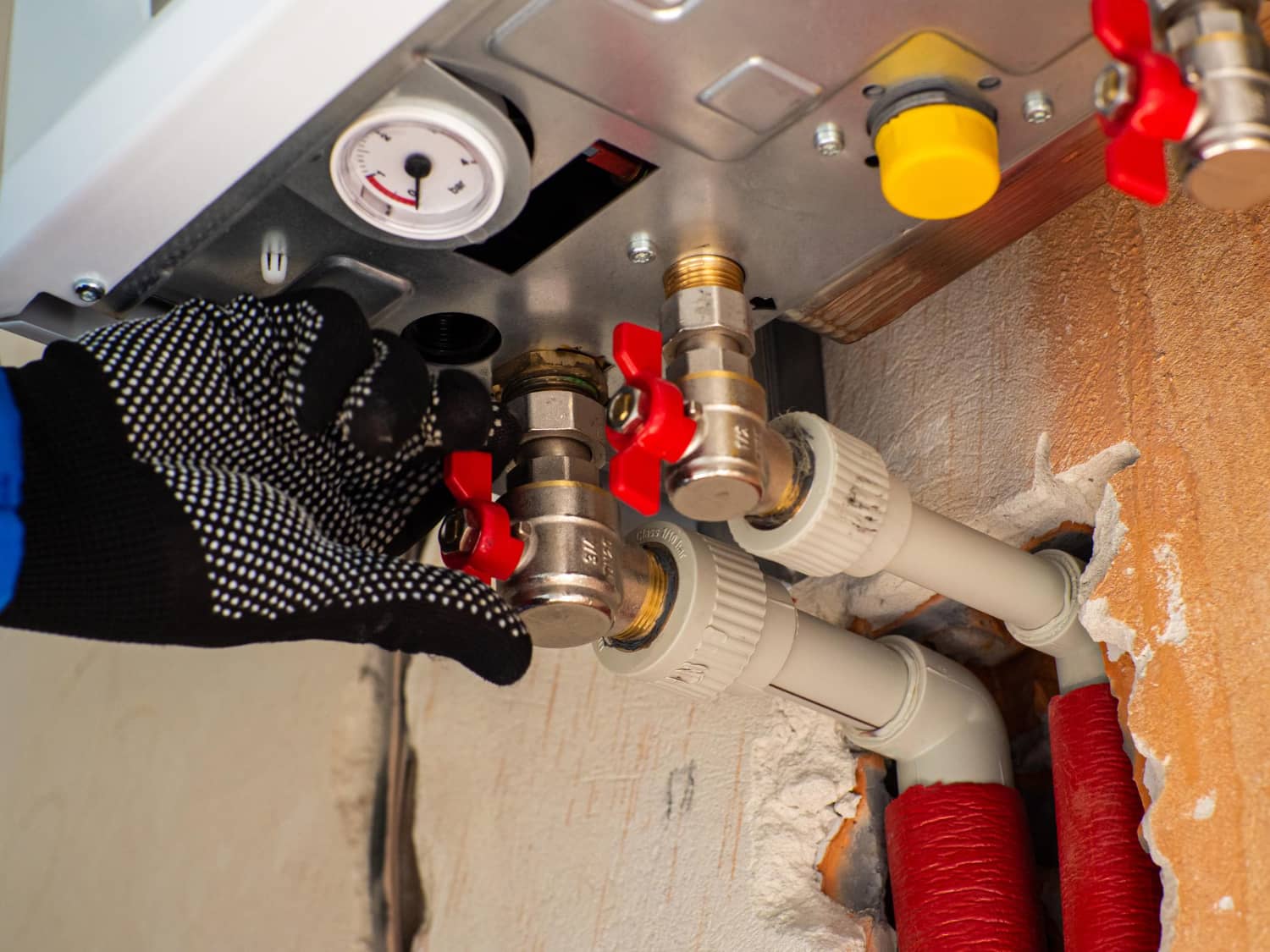
When choosing a new heating system, it is easy to focus on boiler size, brand and price. Yet one setting has a major influence on how efficiently a modern gas boiler operates: flow temperature.
Flow temperature is the temperature of the water leaving the boiler and travelling around the heating system. It is not the same as the temperature shown on a room thermostat. Getting it right can affect heating comfort, energy use and how effectively a condensing boiler operates.
For homeowners considering boiler installation edinburgh, understanding flow temperature can make conversations with installers much more useful. It also helps explain why simply choosing the highest possible temperature is not always the best approach.
If you are planning a new heating system, Boiler Sure can discuss the practical considerations with you before installation. Speak to our team for tailored advice based on your property and heating requirements.
What exactly is boiler flow temperature?
Boiler flow temperature is the temperature of the water supplied from the boiler into the radiators or underfloor heating system.
As the water travels around the heating circuit, it transfers heat into the rooms. It then returns to the boiler at a lower temperature. This is known as the return temperature.
The relationship between flow and return temperatures is particularly important with modern condensing boilers. When the return water is sufficiently cool, the boiler can recover additional heat from water vapour produced during combustion. This process improves efficiency compared with operating conditions where the boiler cannot condense effectively.
A simplified heating cycle looks like this:
- The boiler heats the system water.
- Hot water leaves the boiler at the selected flow temperature.
- The water passes through radiators or other emitters.
- Heat is released into the rooms.
- Cooler water returns to the boiler.
- The boiler reheats the water and the cycle continues.
The precise temperatures required depend on the property, heating system, radiators, insulation and outdoor conditions.
Why does flow temperature matter for a condensing boiler?
A condensing boiler is designed to operate efficiently across a range of conditions rather than simply running at maximum temperature all the time.
For effective condensing operation, the return temperature needs to be low enough for condensation to occur within the heat exchanger. Lower return temperatures generally give the boiler more opportunity to operate in condensing mode.
This means the heating system needs to be considered as a whole.
A boiler could be correctly sized, but if the heating controls and temperature settings are poorly matched to the property, the system may not make the most of its potential efficiency.
The aim is not simply to select the lowest possible flow temperature. If it is set too low for the property’s heat demand, rooms may take too long to warm or fail to reach the desired temperature during colder weather.
The practical objective is a suitable temperature that provides reliable comfort while allowing the boiler to condense effectively whenever conditions permit.
How is the right flow temperature determined?
There is no single flow temperature that works perfectly for every Edinburgh property.
An installer should consider several factors before deciding how the heating system should be configured, including:
- The size and heat-loss characteristics of the property
- The number and size of radiators
- Radiator output at different water temperatures
- Insulation levels
- Window and door performance
- The heating system design
- Whether the property uses radiators or underfloor heating
- The boiler’s modulation range
- The type of heating controls installed
- How the occupants normally use the heating
A well-insulated home with appropriately sized radiators may be able to maintain comfortable room temperatures with a lower flow temperature than an older property with higher heat losses.
This is one reason professional assessment matters during boiler installation edinburgh. The boiler should not be treated as an isolated appliance. Its settings need to work with the rest of the heating system.
What happens if the flow temperature is set too high?
A high flow temperature is not automatically a fault. There are circumstances where higher temperatures may be required, particularly when the property has a high heat demand or the heating emitters are not capable of delivering enough heat at lower temperatures.
However, unnecessarily high settings can reduce the opportunity for the boiler to operate in condensing mode.
Homeowners may also notice other effects, such as:
- Radiators becoming very hot for relatively short periods
- Greater temperature swings between heating cycles
- Increased heat loss through pipework
- Less opportunity for efficient low-temperature operation
- A heating system that feels less finely controlled
It is therefore worth discussing the intended operating temperature with an installer rather than assuming the factory or previous setting is automatically appropriate.
High flow temperature versus low flow temperature
| Factor | Higher flow temperature | Lower suitable flow temperature |
| Radiator surface temperature | Higher | Lower |
| Potential condensing operation | Reduced if return temperature stays high | Greater opportunity |
| Warm-up response | Generally faster | May take longer |
| Heat emitter requirement | Less radiator capacity needed | Greater radiator capacity may be useful |
| System efficiency | Depends on conditions | Can improve when the property remains comfortable |
| Suitability | Depends on property and system | Depends on property and system |
The key word is suitable. Lower is not automatically better if the heating system cannot meet the home’s heat demand.
Could radiator size affect the ideal flow temperature?
Yes. Radiators are designed to release a certain amount of heat based on the temperature difference between the radiator and the surrounding room.
At lower water temperatures, a radiator generally releases less heat. A larger radiator can compensate for this by providing more surface area.
This is why radiator sizing and boiler settings can be closely connected.
For example, an older property may have relatively small radiators designed around higher operating temperatures. If a homeowner wants the heating system to operate at lower temperatures, it may be necessary to assess whether the existing radiators have sufficient output.
That does not necessarily mean replacing every radiator. An installer can assess the individual rooms and identify where changes may be beneficial.
What does boiler modulation have to do with flow temperature?
Modulation is another important part of modern boiler operation.
Rather than simply operating at full power and switching off repeatedly, a modulating boiler can reduce its output when the heating demand falls. This can help it run for longer periods at a lower output.
The minimum output is particularly important in properties with relatively low heat demand.
If the boiler’s minimum output is much higher than the heat currently required, the appliance may cycle on and off more frequently. If the boiler can reduce its output sufficiently, it has greater scope to match the actual demand.
This is why selecting a boiler based solely on its maximum kW rating can be misleading. The relationship between maximum output, minimum output, modulation and the heating system should all be considered.
Should flow temperature be discussed before a new boiler is fitted?
Yes. It is reasonable for homeowners to ask how the proposed system will be configured before installation takes place.
A professional boiler fitter edinburgh should be able to explain the intended operating approach in straightforward terms.
Useful questions include:
- What flow temperature is expected during normal heating?
- How will the installer determine whether that temperature is suitable?
- Are the existing radiators large enough for the proposed settings?
- What is the boiler’s minimum output?
- How will the heating controls interact with the boiler?
- Will the system be balanced and commissioned after installation?
- Can the settings be adjusted after the system has been used?
These questions do not require specialist knowledge. They simply help ensure that the installation is considered as a complete heating system rather than just an appliance replacement.
If you are comparing installation options, ask Boiler Sure to explain how the proposed boiler, controls and heating system would work together. Contact our team if you would like practical guidance before making a decision.
What should happen during commissioning?
Commissioning is an important stage after a boiler has been installed.
The installer should check that the appliance and heating system are operating correctly and that the installation meets the relevant requirements. Settings and controls should be configured appropriately for the system.
Commissioning may involve checking aspects such as:
- Boiler operation
- Gas rate and combustion performance where applicable
- Heating controls
- System pressure
- Temperature performance
- Radiator operation
- Safety functions
- Flue arrangements
- System balancing and overall operation
The manufacturer’s instructions and relevant installation requirements should always be followed.
A homeowner should also receive the appropriate documentation and understand how to operate the controls. A technically capable boiler can still deliver a poor experience if the system has not been properly set up for the property.
Can flow temperature be adjusted after installation?
In many systems, yes. The appropriate settings can be reviewed once the heating system has been operating.
This can be useful because homeowners learn how quickly their property responds to heating and whether particular rooms struggle to reach the desired temperature.
A sensible approach is to avoid making large changes without understanding how they affect the system. If the heating is not performing as expected, an installer can check whether the issue relates to flow temperature, radiator output, controls, balancing, boiler operation or another part of the system.
For an existing system, repeated problems with heating performance should not automatically be treated as a simple temperature-setting issue. A qualified boiler fitter edinburgh can investigate the wider system and identify whether adjustment, servicing or repair is appropriate.
A typical Edinburgh home scenario
Consider a typical Edinburgh property with modern insulation improvements but older radiators. The homeowner has a new condensing boiler installed and initially assumes the heating should operate at the highest available temperature.
The home warms quickly, but the boiler spends much of its time operating at relatively high temperatures. During milder weather, the heating demand is considerably lower than it is on a cold winter morning.
An installer could assess the radiators, controls and boiler output and determine whether a lower operating temperature is practical for parts of the heating season. The objective would be to maintain comfortable rooms while giving the boiler more opportunity to operate efficiently.
This illustrates why there is no universal setting that should simply be copied from one property to another.
What should homeowners look for when arranging a new installation?
Before agreeing to a new system, it is worth looking beyond the headline boiler specification.
A useful checklist includes:
- Appropriate boiler output for the property’s heat demand
- Suitable minimum modulation level
- Correct radiator capacity
- Effective heating controls
- Appropriate flow and return temperature strategy
- Proper system balancing
- Full commissioning
- Clear explanation of controls
- Relevant installation and safety documentation
- Ongoing servicing arrangements
When obtaining a quote, these details can help you understand what is actually included rather than comparing installations solely by boiler brand or headline price.
For boiler installation edinburgh, a detailed discussion about system design can be more informative than simply asking which boiler has the largest output.
Frequently Asked Questions
Conclusion: Why flow temperature deserves attention before installation
Flow temperature may sound like a technical boiler setting, but it has a direct connection with how a heating system performs in everyday use. The right approach depends on the property, radiators, insulation, controls and boiler characteristics.
A modern condensing boiler should be selected and configured as part of a complete heating system. Maximum output is only one consideration. Minimum output, modulation, radiator capacity and commissioning can all influence how effectively the system operates.
If you are planning boiler installation edinburgh, discussing these points before the work begins can help you understand what the proposed system is designed to achieve. Boiler Sure can provide practical advice based on the individual requirements of your home.
If you are considering replacing your boiler or want to understand how a proposed system could be configured, speak to Boiler Sure today or request a bespoke quote. Clear advice before installation can make the finished heating system easier to use and better suited to the property.