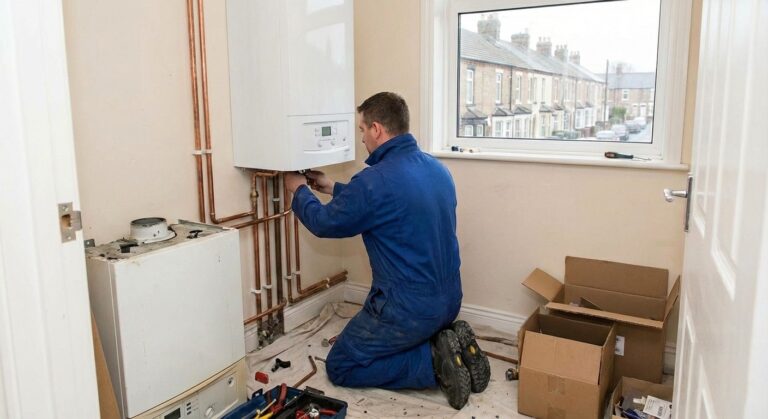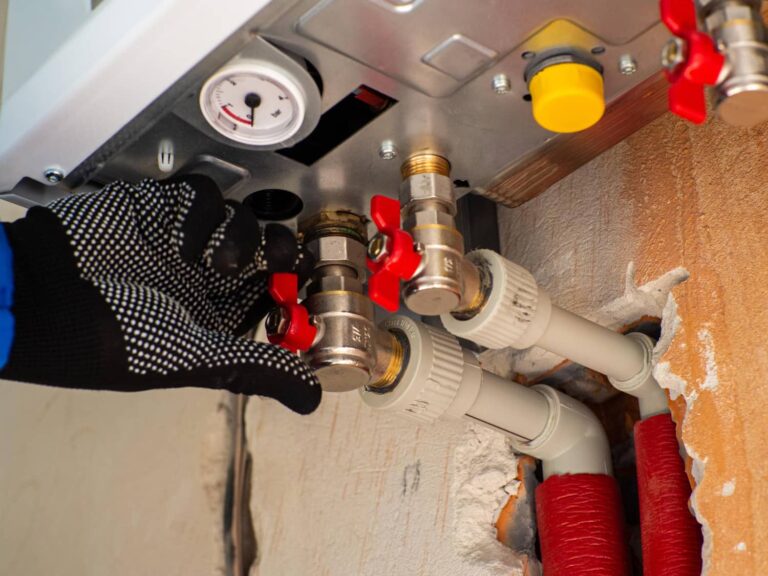
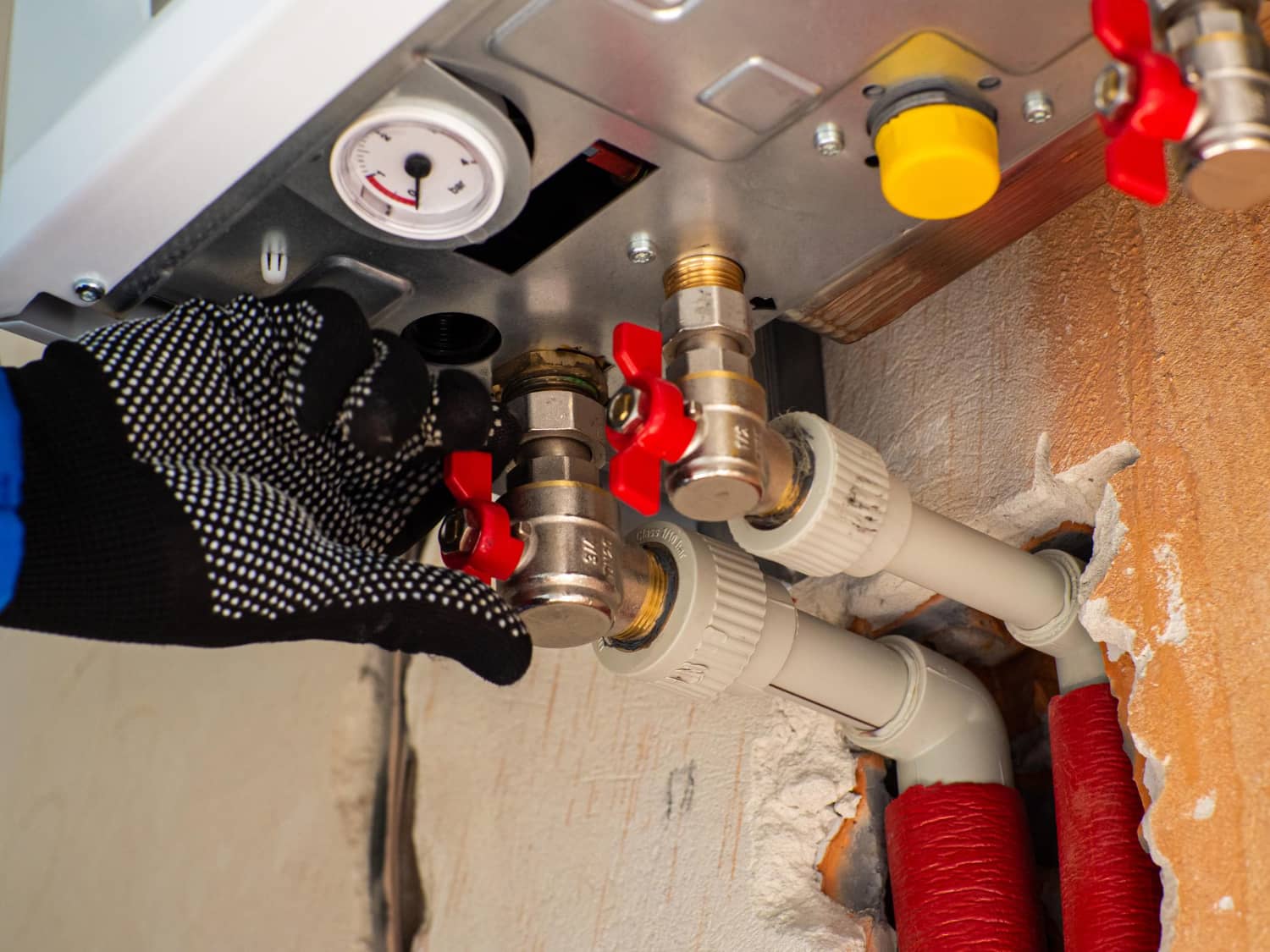
When homeowners compare boiler quotes, it is easy to focus on the figure attached to the boiler itself. However, the appliance is only one part of the overall project. Controls, pipework, system preparation, flue arrangements, commissioning and the complexity of the installation can all affect the final price.
This is why two quotations for what appears to be the same type of boiler can come back at noticeably different prices. The difference does not necessarily mean one installer is charging more for the same work. The specifications and amount of work included may simply be different.
Understanding what you are actually paying for makes it much easier to compare quotations properly and avoid surprises later.
What does the boiler price actually cover?
A boiler has a manufacturer’s price, but the amount you pay for a completed installation can include considerably more than the appliance.
A typical quotation may cover some or all of the following:
- The boiler itself
- Standard installation labour
- Flue components
- Basic heating controls
- New or modified pipework
- Condensate connections
- System draining and refilling
- System cleaning where required
- Commissioning
- Removal of the existing boiler
- Disposal of the old appliance
- Manufacturer registration
- Warranty paperwork
The exact inclusions vary between installations, so it is worth checking the quotation rather than assuming every item is automatically included.
A low headline price may initially look attractive, but it becomes harder to compare when one quotation includes upgraded controls, system preparation and commissioning while another covers only a more basic installation.
Why can installation prices vary?
The main reason is that every heating system is slightly different.
Replacing a boiler in the same position with suitable existing connections may be relatively straightforward. Moving the appliance, changing the flue route, altering pipework or preparing an older system can introduce additional work.
For example, an installer may need to consider:
| Installation factor | Possible effect on final price |
|---|---|
| Boiler position | Moving the appliance can require additional pipework and labour |
| Flue route | A different route may require additional components or access |
| Controls | More advanced controls may cost more to supply and install |
| Pipework | Existing pipework may need modification or replacement |
| System condition | Cleaning or remedial work may be recommended |
| Condensate route | A new route may require additional materials and labour |
| Boiler type | Different appliances have different installation requirements |
| Commissioning | Proper setup and testing takes time and should be accounted for |
This is why looking only at the appliance price does not give you the full picture.
Which controls can affect the installation cost?
Controls are often overlooked when homeowners start comparing boiler prices.
A heating system needs appropriate controls, and the cost can vary depending on what is already installed and what is being specified for the new system.
A basic control arrangement may be perfectly suitable for one property, while another homeowner may want more sophisticated controls that provide greater scheduling flexibility or room-by-room management.
Potential control considerations include:
- Programmable thermostats
- Wireless thermostats
- Load or weather compensation controls where compatible
- Smart heating controls
- Thermostatic radiator valves
- Zoning arrangements
- Existing wiring and compatibility
The important point is not that a more expensive control system is automatically better. The control strategy should make sense for the property, boiler and way the heating is used.
If you are reviewing a quotation, ask the installer to identify exactly which controls are included rather than assuming the quoted boiler price covers everything needed for the heating system.
Is commissioning included in the installation price?
Commissioning is an important part of completing a boiler installation. It is not simply a final switch-on.
Once the appliance has been installed, the engineer needs to check that it is operating correctly and that the system has been set up appropriately.
Depending on the boiler and installation, this can involve checking:
- Gas pressure and supply
- Heating and hot water operation
- Controls
- Safety functions
- Flow and return temperatures
- System pressure
- Condensate arrangements
- Flue operation
- Boiler settings
- Manufacturer requirements
Commissioning can also identify issues that are not obvious when the boiler is first switched on.
A quotation should make it clear whether commissioning and the associated checks are included. If they are not mentioned, it is reasonable to ask what happens after the physical installation has been completed.
How does system setup affect the final cost?
The heating system surrounding the boiler can influence the amount of work involved.
For example, an older system may need attention before the replacement boiler can be properly commissioned. This does not automatically mean that extensive work is required, but the installer should assess the condition of the existing components.
Areas that may be considered include:
Existing pipework
The existing pipework may be suitable for the replacement boiler, but this needs to be assessed rather than assumed.
Changes can sometimes be required if the new boiler has different connection requirements or if existing pipework is unsuitable.
Radiators
The boiler is only one part of the heating system. Radiators need to be capable of delivering heat effectively at the temperatures the system is designed to operate at.
An installer may identify individual radiators that are poorly performing, incorrectly sized or affected by sludge or balancing issues.
System cleanliness
If the existing system contains significant contamination, cleaning may be recommended as part of the replacement.
The exact approach depends on the condition of the system and the installation requirements.
Condensate drainage
Modern condensing boilers produce condensate that needs to be discharged safely. If the existing condensate arrangement cannot be reused, changes may be required.
Flue arrangements
The flue must meet the relevant requirements and be suitable for the boiler and property.
A straightforward replacement may use a relatively simple route, while a boiler being relocated could require a different arrangement.
Does moving the boiler increase installation costs?
It can.
Moving a boiler from one location to another usually involves more than disconnecting the old appliance and reconnecting the new one.
The installer may need to account for:
- New heating pipework
- Gas pipework alterations
- Water connections
- Electrical connections
- Flue installation
- Condensate drainage
- Wall preparation
- Access requirements
- Additional labour
This does not mean relocating a boiler is always poor value. There may be good practical reasons for moving it, such as creating storage space or improving access.
The important thing is to understand how the proposed location affects the scope of work before accepting a quotation.
What hidden or variable costs should a quote identify?
The word "hidden" can sometimes make boiler quotations sound more complicated than they really are. In practice, many additional costs are simply items that were not included in the original scope.
A clear quotation should help identify what is included and what might change if additional work is discovered.
Potential variables can include:
- Boiler relocation
- Additional flue components
- Pipework alterations
- Electrical work
- Additional controls
- System cleaning
- Magnetic filters or other system components
- Condensate alterations
- Difficult access
- Structural work
- Removal of redundant pipework
- Upgrades required for the chosen installation
If something is not included, ask the installer before work begins. It is much easier to understand a potential extra cost before installation day than afterwards.
How should homeowners compare boiler installation quotations?
Comparing quotations becomes much easier when you look at the scope rather than just the total figure.
For example:
| Question | Quote A | Quote B |
|---|---|---|
| Boiler model specified? | Yes | Yes |
| Boiler output explained? | Check | Check |
| Controls included? | Check | Check |
| Flue included? | Check | Check |
| System preparation included? | Check | Check |
| Commissioning included? | Check | Check |
| Old boiler removed? | Check | Check |
| Additional work clearly identified? | Check | Check |
| Warranty information provided? | Check | Check |
The table is not about making one quotation automatically preferable to another. It gives you a consistent way to identify differences.
A quotation that costs more may include additional work. Equally, a higher price is not automatically evidence of a more comprehensive installation. The details need to be compared.
Is the cheapest boiler installation always the cheapest overall?
Not necessarily.
Suppose one quotation includes a basic control arrangement while another includes upgraded controls. Or one installer has included system preparation while another has allowed for it only if required.
The initial figures may look very different, but they are not necessarily describing the same job.
This is particularly important when looking at the cost for boiler installation rather than simply the cost of the boiler.
Ask yourself:
- Is the same boiler model being quoted?
- Is the output appropriate for the property?
- Are the same controls included?
- Is commissioning included?
- Is the existing system preparation explained?
- Are flue and condensate arrangements covered?
- Is removal of the old boiler included?
- Are potential additional costs clearly explained?
These questions can reveal differences that are not obvious from the headline price.
What should be included in a clear installation price?
There is no single universal quotation format, but a useful quotation should give you enough information to understand the proposed work.
Ideally, you should be able to identify:
The appliance: The exact boiler make, model and output should be specified.
The controls: The quotation should state what controls are being supplied and whether existing controls will be reused.
The installation work: This should explain the basic scope, including whether the boiler is staying in the existing position.
System preparation: If cleaning, filtration or pipework modifications are anticipated, these should be explained.
Commissioning: The quotation should make clear whether commissioning is included.
Removal: Check whether the existing boiler and associated waste will be removed.
Warranty: The quotation should provide appropriate information about the boiler manufacturer’s warranty and any installation-related guarantees being offered.
A clear quotation gives you something concrete to compare.
If you have received several quotations, discussing the differences with an experienced installer can help you understand what each price actually represents before making a decision.
Can a more expensive installation sometimes provide better long-term value?
Potentially, but it depends on what the additional money is paying for.
For example, paying more because a quotation includes necessary pipework alterations is different from paying more simply because a different appliance has been selected.
Likewise, upgrading controls may provide useful functionality for some households, while another homeowner may have little need for those features.
The sensible approach is to connect each additional cost to a specific purpose.
Ask:
- What does this component do?
- Is it required for the installation?
- Is it compatible with the proposed boiler?
- What problem does the additional work address?
- Is it included in the quoted price or charged separately?
This keeps the discussion focused on the heating system rather than simply the size of the invoice.
What questions should you ask before accepting a boiler quote?
Before agreeing to an installation, a few straightforward questions can make the quotation much easier to understand.
Ask the installer:
- What exactly is included in the quoted price?
- Which controls are included?
- Will the boiler remain in its current position?
- Is system cleaning included if required?
- Are pipework alterations included?
- Is the flue included?
- Is commissioning included?
- Is the old boiler removed?
- Could any additional costs arise?
- What warranty information will I receive?
These questions do not need to be complicated. The objective is simply to make sure you understand what you are paying for.
How do boiler prices and installation costs fit together?
When comparing boiler prices and installation, think of the project as a complete heating system rather than an appliance purchase.
The final figure can reflect the boiler itself, installation labour, controls, pipework, flue work, system preparation, condensate arrangements, commissioning and other property-specific requirements.
This is also why online prices should be treated as a starting point rather than a guaranteed installation figure. Until the property and existing system have been assessed, it may not be possible to identify every requirement.
For anyone researching the cost of new gas boiler installation, the most useful comparison is therefore not simply "Which boiler is cheapest?" but "What work and equipment are included in the total price?"
A practical way to review your quotation
Before accepting a quotation, take a few minutes to go through it line by line.
Look for:
Boiler: Make, model and output.
Controls: What is supplied and installed?
Installation: Is the boiler staying in place or being moved?
Pipework: Are alterations included?
Flue: Is the proposed flue arrangement covered?
System preparation: Is cleaning or other preparation included where needed?
Commissioning: Is the completed system tested and set up?
Removal: Is the existing appliance taken away?
Additional costs: Are potential extras clearly explained?
Warranty: What manufacturer and installation cover applies?
This gives you a much clearer basis for comparing quotations.
Final Thoughts
The final price of a new boiler installation is influenced by much more than the appliance sitting on the wall. Controls, system preparation, pipework, flue and condensate arrangements, commissioning and the complexity of the property can all contribute to the overall cost.
The best way to compare quotations is to understand the scope behind each figure. A detailed quotation should make it clear what is included, what may cost extra and how the finished heating system will be commissioned.
Boiler Sure can help homeowners understand the practical details behind a proposed boiler installation, so you can ask informed questions and know what your quotation covers.
If you are considering a new boiler, speak to Boiler Sure about your requirements and request a clear quotation based on your property and existing heating system.