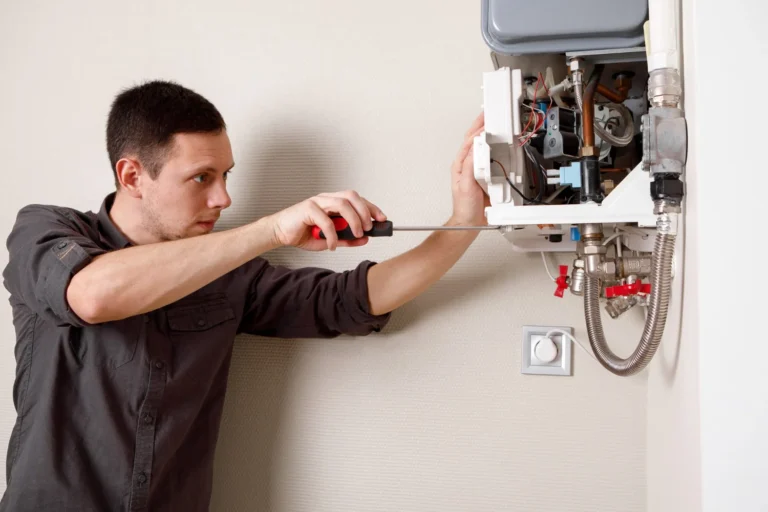

A new boiler is not always a planned expense. For some first-time homeowners, replacement becomes necessary soon after moving into a property, leaving an important question: how can the cost be managed without making a rushed decision?
Finance can sometimes provide a way to spread the cost of a replacement over an agreed period. However, the monthly payment is only one part of the picture. Interest, fees, deposit requirements, term length and the total amount repayable can all affect what the arrangement actually costs.
This guide explains the key questions first-time buyers should ask before considering finance for a boiler replacement, so the decision is based on the full terms rather than the monthly figure alone.
How Does Boiler Finance Usually Work?
Boiler finance allows the cost of an installation to be paid over an agreed period rather than entirely upfront.
Depending on the finance arrangement, a homeowner may make regular monthly payments for a specified term. The exact structure varies between providers and agreements.
Before accepting any finance offer, check:
- Deposit requirements
- Monthly payment
- Number of payments
- Interest rate
- Any arrangement or administration fees
- Total amount repayable
- Early repayment conditions
- What happens if payments are missed
- Whether the finance provider is regulated
The important point is that finance should be assessed as a complete financial commitment, not simply by asking whether the monthly payment fits the household budget.
If you are considering boiler finance Stirling homeowners may have available, contact Boiler Sure to discuss the installation options and ask what finance arrangements, if any, are currently available. Always review the full terms before entering an agreement.
What Is the Difference Between the Boiler Price and the Finance Cost?
The cash price of the installation and the total amount paid through finance may not be the same.
For example, a finance agreement could involve interest or other charges that increase the overall amount repaid.
A useful way to assess an offer is to look at:
Cash price + applicable interest and charges = total amount repayable
The exact calculation depends on the finance agreement.
Do not assume that a low monthly payment means the installation is inexpensive. A longer repayment period can reduce monthly payments while increasing the total amount paid.
What Questions Should You Ask About Interest?
Interest is one of the first things to check.
Ask whether the finance arrangement is:
- Interest-free
- Interest-bearing
- Fixed-rate
- Variable-rate
- Subject to specific conditions
If an offer is described as interest-free, check whether there are other charges or eligibility conditions.
The annual percentage rate, where applicable, can also help you compare the overall cost of different credit arrangements.
If you are unsure about a particular financial term, ask the finance provider to explain it before signing anything.
Does the Repayment Period Matter?
Yes. The length of the agreement can significantly affect both monthly payments and the total cost.
A shorter term may mean higher monthly payments but less interest overall. A longer term can reduce monthly payments but may increase the amount paid over the full agreement.
Consider whether the repayment period remains comfortable alongside your normal household expenses.
For first-time homeowners, this is particularly important because a new property can already involve mortgage payments, insurance, council tax, utilities and unexpected maintenance costs.
Should You Pay a Deposit?
Some finance arrangements may require or offer a deposit, while others may allow the entire installation to be financed.
A deposit reduces the amount being financed, but you should still consider how it affects your available savings.
Avoid using all your emergency funds simply to reduce a finance balance if doing so leaves you unable to deal with an unexpected household expense.
The right approach depends on your personal financial circumstances and the specific finance agreement.
What Is the Total Amount Repayable?
This is arguably one of the most important figures to check.
A monthly payment can look affordable when viewed in isolation, but the total amount repayable shows the overall financial commitment.
Before accepting an agreement, identify:
| Finance detail | Why check it? |
| Cash price | Shows the underlying installation price |
| Deposit | Establishes what you pay upfront |
| Monthly payment | Shows regular commitment |
| Number of payments | Establishes the repayment period |
| Interest rate/APR | Helps assess borrowing cost |
| Fees | Identifies additional charges |
| Total repayable | Shows the full financial commitment |
| Early repayment terms | Explains what happens if you settle early |
Keep a copy of the agreement and any supporting documentation.
Can You Finance Any Boiler Installation?
Not necessarily. Finance availability depends on the installer, finance provider, installation value and the customer’s eligibility.
The boiler itself should still be suitable for the property. Finance should not influence the technical recommendation.
A homeowner should first establish what heating system is appropriate, then consider how the installation can be paid for.
This helps avoid choosing an unsuitable boiler simply because a particular finance arrangement appears attractive.
How Should You Choose an Installer Offering Finance?
Finance should be only one part of the decision.
When comparing the best boiler installation companies, look at:
- Boiler suitability
- Installer qualifications
- Installation scope
- Written quotation
- Warranty
- Aftercare
- Finance terms
- Customer support
- Clarity of pricing
An installer should explain the installation separately from the finance arrangement so you can understand both.
A good heating company should not make you feel pressured into borrowing money simply to secure an installation.
If you are comparing the best boiler installation companies for your home, Boiler Sure can help you understand the installation itself and provide information about available options. Take time to review the finance terms carefully before making a commitment.
What If Your Boiler Has Failed Completely?
A boiler breakdown can make finance decisions feel urgent.
If your heating or hot water has stopped working, first establish whether repair is possible and sensible. If replacement is necessary, ask for a clear installation quotation before agreeing to finance.
Where possible, avoid making a borrowing decision based purely on panic. A professional assessment can help establish the appropriate replacement system and the likely cost.
Can Finance Affect Your Credit?
Applying for credit can involve credit checks, and the effect depends on the type of check and your individual circumstances.
The finance provider should explain its application process and any eligibility requirements.
Do not assume that an application will be accepted simply because a finance option is advertised. Approval depends on the lender’s criteria.
If you are concerned about how an application could affect your finances or credit record, seek appropriate independent financial guidance.
A Typical First-Time Buyer Example
Imagine a homeowner who has recently purchased a property in Stirling and discovers that the existing boiler needs replacing. The installation quotation is affordable over time, but the homeowner cannot comfortably pay the full amount from savings.
They consider two finance options. One has a lower monthly payment but a longer term and a higher total amount repayable. The other has higher monthly payments but a shorter repayment period and lower overall borrowing cost.
Instead of choosing the lower monthly figure automatically, the homeowner compares the total repayable amount, term and other conditions.
This illustrates why finance should be assessed as a complete agreement.
What Should You Check Before Signing a Finance Agreement?
Before signing, make sure you understand:
- The cash price of the installation
- Deposit requirements
- Monthly repayments
- Number of payments
- Interest or APR
- Any fees
- Total amount repayable
- Early repayment conditions
- Missed payment consequences
- Cancellation or withdrawal rights explained in the agreement
Read the documentation carefully and ask questions about anything you do not understand.
Never feel obliged to sign immediately simply because an installer has provided a quotation.
Frequently Asked Questions
Final thoughts
A successful boiler replacement starts with choosing a system that suits the property rather than simply replacing one appliance with another.
For first-time homeowners, checking water pressure, boiler sizing, installation requirements, controls, warranty terms and the condition of the wider heating system can prevent many common mistakes.
If you are considering combi boiler replacement Stirling homeowners can arrange through Boiler Sure, the team can provide practical advice based on your property’s requirements. Contact Boiler Sure to discuss your options and request a tailored quotation.