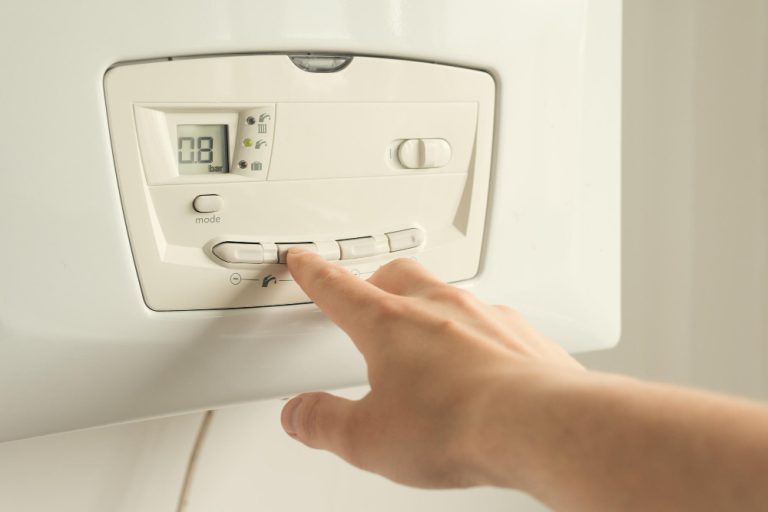
A boiler that stops working does not automatically need replacing. In many cases, the fault may be relatively straightforward to diagnose and repair, allowing the existing system to continue providing reliable heating and hot water.
The challenge is knowing whether a repair is sensible or whether continued spending on an ageing appliance is becoming difficult to justify. The answer depends on the fault, age, condition, repair history and likely future reliability of the system.
If you are looking for boiler repair stirling, a good engineer should investigate the problem properly before recommending replacement. Repair should remain a genuine option where it is technically and financially reasonable.
If your heating system has developed a fault, contact Boiler Sure for practical advice and an assessment of the problem.
When should an engineer recommend repair?
Repair is often worth considering when the fault is identifiable, the required component is available and the boiler is otherwise in reasonable condition.
An engineer may recommend repair where:
- The appliance is relatively reliable
- The fault is isolated
- A replacement component is available
- The repair cost is proportionate
- The boiler remains suitable for the property
- There are no significant wider system concerns
A good assessment should distinguish between a one-off fault and signs of a much larger problem.
For example, replacing a failed component on an otherwise reliable boiler can make more sense than replacing the entire system.
What should an engineer check before recommending repair?
Diagnosis should come before the solution.
An engineer may consider:
| Area | What it can reveal |
| Fault code | Possible cause of the issue |
| Boiler condition | Overall state of the appliance |
| Repair history | Pattern of previous faults |
| Components | Condition of key parts |
| System pressure | Potential system problems |
| Heating performance | Whether demand is being met |
| Hot water | Whether output remains suitable |
| Age | Likely remaining service life |
This wider assessment helps prevent a repair recommendation based solely on the most obvious symptom.
Does the age of the boiler matter?
Yes, but it should not be the only factor.
An older appliance that has been dependable and requires a modest repair may still be worth keeping. On the other hand, an older boiler with repeated expensive faults may be approaching the point where replacement provides better long-term value.
The engineer should consider the age alongside the condition and repair history.
Saying “the boiler is old, so replace it” is not enough on its own.
How can you tell whether a repair is becoming uneconomical?
There is no universal repair-to-replacement figure that applies to every household.
Instead, consider the broader picture.
Repeated major repairs, expensive components, poor reliability and an appliance approaching the end of its useful service life can all make replacement more attractive.
For example:
One isolated fault + otherwise reliable system = repair may make sense
Repeated faults + rising costs + declining reliability = replacement may be worth considering
This approach is more useful than making a decision based on age or one repair bill alone.
What common problems can sometimes be repaired?
Depending on the cause and appliance, engineers may encounter issues involving components such as:
- Pumps
- Sensors
- Valves
- Ignition components
- Thermostats
- Pressure-related components
- Electrical parts
The appropriate repair depends on the diagnosis.
Homeowners should not attempt to identify or replace gas boiler components themselves. A qualified professional should assess the appliance and determine what work is appropriate.
What if the boiler keeps losing pressure?
Repeated pressure loss should be investigated rather than simply corrected every time it occurs.
The underlying cause could be related to a leak, component fault or another system issue.
An engineer should determine why the pressure is dropping and explain whether the cause can be repaired.
If the problem is isolated and repairable, replacing the boiler may not be necessary.
Can poor heating performance be repaired?
Sometimes.
If radiators are not heating properly, the issue may involve the boiler, controls, circulation, system condition or another component.
An engineer should investigate before deciding that the appliance itself has failed.
This is why boiler repair should begin with diagnosis rather than replacing equipment immediately.
If your heating is not performing as expected, speak to the Boiler Sure team so the underlying problem can be assessed before you commit to replacement.
When should replacement be discussed?
Replacement becomes more relevant when the repair is only one part of a wider pattern.
An engineer may discuss replacement where:
- The boiler has frequent breakdowns
- Major components are repeatedly failing
- Repair costs are becoming substantial
- Parts are difficult to obtain
- The appliance is becoming unreliable
- The heating system no longer meets household requirements
Even then, the decision should be explained rather than presented as automatic.
The homeowner should understand what repair would involve, what replacement would involve and why one option may be more appropriate.
What should a repair quotation include?
A repair quotation or estimate should be clear about what has been diagnosed and what work is proposed.
Ideally, it should identify:
- The reported fault
- The likely cause
- Recommended repair
- Parts required
- Labour
- Any relevant warranty
- Potential limitations or additional issues
This gives homeowners a better basis for deciding whether to proceed.
If the diagnosis is uncertain, ask what further investigation is required before approving significant expenditure.
A typical Stirling repair scenario
Consider a homeowner whose boiler has stopped providing heating but still produces hot water.
An engineer investigates the system and identifies a specific component failure. The boiler is several years old but has otherwise been reliable, and replacement parts are available.
Rather than recommending a new appliance immediately, the engineer explains the repair, its likely cost and the condition of the wider boiler.
In this situation, repair may be the sensible choice because the problem is isolated and the appliance remains suitable.
Several months later, the situation could be reassessed if further faults develop.
What are the signs of poor repair advice?
A homeowner should be comfortable asking questions if the recommendation is unclear.
Take care if:
- No diagnosis is provided
- The engineer cannot explain the fault
- Replacement is recommended immediately
- Repair options are dismissed without explanation
- Costs are vague
- The proposed work does not address the reported symptom
Professional advice should help you understand what has gone wrong and what your options are.
Should you repair a boiler yourself?
No.
Gas appliances and their associated components should be handled by appropriately qualified professionals.
Homeowners can monitor obvious symptoms and provide useful information about when the fault occurs, but repairs, adjustments and internal work should be left to a suitably qualified engineer.
If you smell gas or suspect an immediate safety issue, follow the appropriate emergency gas safety guidance rather than attempting to investigate the appliance yourself.
How should repair and replacement be compared?
Think beyond today’s invoice.
If a repair restores a reliable appliance for a reasonable cost, it may be the sensible choice.
If the same boiler has required several major repairs recently and another expensive component has now failed, replacement may offer greater long-term confidence.
The decision should therefore consider:
Current repair cost + previous repair history + boiler condition + expected future reliability
rather than simply the latest fault.
Frequently Asked Questions
Final thoughts
Good boiler repair stirling advice starts with diagnosis. A fault should be investigated before an engineer decides whether repair or replacement is appropriate.
Where the boiler is otherwise reliable and the repair is proportionate, repairing the existing appliance can be the sensible route. Where faults are becoming frequent, costs are rising and reliability is declining, replacement may deserve consideration.
Boiler Sure focuses on clear explanations and practical recommendations based on the condition of the system. If your boiler has developed a fault, contact our team to discuss the problem and find out whether repair may be the right first step.