Heating systems in Scotland work harder than many homeowners realise. Long winters, damp conditions, and regular temperature changes place ongoing strain on boilers throughout the year. While winter failures often attract the most attention, reliability is shaped by what happens in every other season too.
This guide explains how year-round service plans support consistent performance, reduce unexpected disruption, and help homeowners across Falkirk plan their heating with confidence rather than urgency.
What does year-round boiler reliability actually mean?
Reliability is not simply avoiding breakdowns. It is about ensuring your heating system operates safely, efficiently, and predictably in all conditions.
Year-round reliability includes:
- Consistent heating performance
- Early identification of faults
- Safe operation throughout the year
- Fewer emergency call-outs
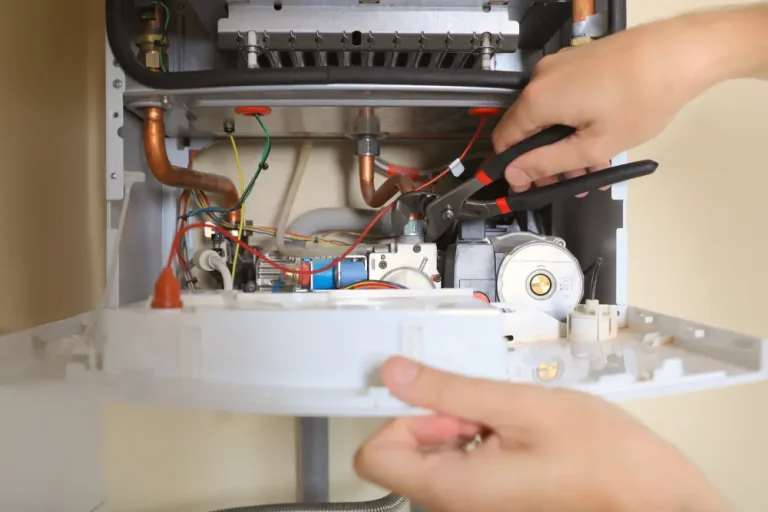
Service plans are designed to support this consistency by addressing issues before they escalate.
Why does Scotland’s climate demand proactive care?
Scottish weather exposes boilers to prolonged use compared to milder regions. Systems often run daily for much of the year, increasing wear on components.
Proactive servicing helps:
- Reduce strain on internal parts
- Maintain efficiency during extended use
- Prevent moisture-related corrosion
- Improve long-term durability
Without regular checks, small issues can quietly develop into major faults.
How do boiler service plans support ongoing reliability?
Service plans combine routine maintenance with access to professional support. Rather than reacting to problems, homeowners benefit from planned care.
Most plans include:
- Annual servicing
- Safety inspections
- Priority access for boiler repair
- Professional advice on system performance
This approach helps maintain stability while reducing the stress of unexpected failures.
What problems can servicing help prevent?
Regular servicing often identifies issues before they interrupt heating. Engineers can detect early signs of wear that might otherwise go unnoticed.
Servicing helps prevent:
- Pressure-related faults
- Blocked components
- Inefficient combustion
- Unplanned boiler repair during peak winter demand
Early intervention is usually simpler and less disruptive than emergency fixes.
How do service plans compare to reactive repairs?
Understanding the difference between planned care and reactive repairs helps homeowners make informed decisions.
| Aspect | Reactive Repairs | Service Plan |
| Fault detection | After failure | Early identification |
| Disruption | Often sudden | Planned visits |
| Costs | Unpredictable | Spread over time |
| System lifespan | Shortened | Often extended |
This comparison highlights why many homeowners prefer structured maintenance over last-minute solutions.
Are service plans suitable for all boilers?
Most boilers benefit from regular servicing, regardless of age. However, suitability depends on condition and usage patterns.
Service plans may be particularly helpful if:
- The boiler is out of warranty
- Heating demand is high
- Reliability is a priority
- Budgeting predictability matters
Older systems often gain the most from proactive care, provided they remain safe and serviceable.
How does servicing affect installation planning?
Reliable servicing informs future decisions about upgrades or replacements. Engineers can provide insight into when replacement may be more sensible than ongoing repairs.
This helps homeowners:
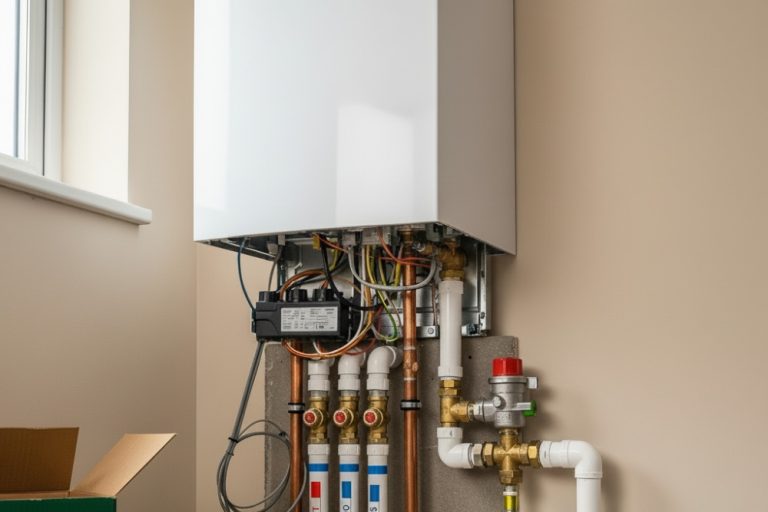
- Plan the cost for boiler installation in advance
- Avoid rushed decisions during winter
- Understand long-term boiler prices and installation considerations
Planning ahead leads to better outcomes than reacting to sudden breakdowns.
(Link to related blog: When Should You Replace Your Boiler?)
A common Falkirk service plan scenario
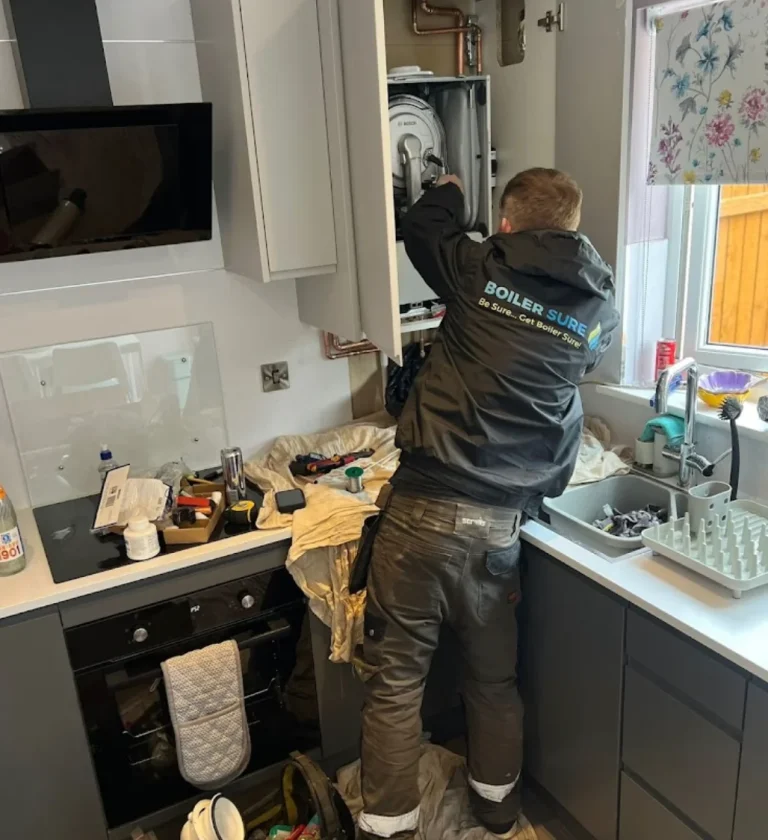
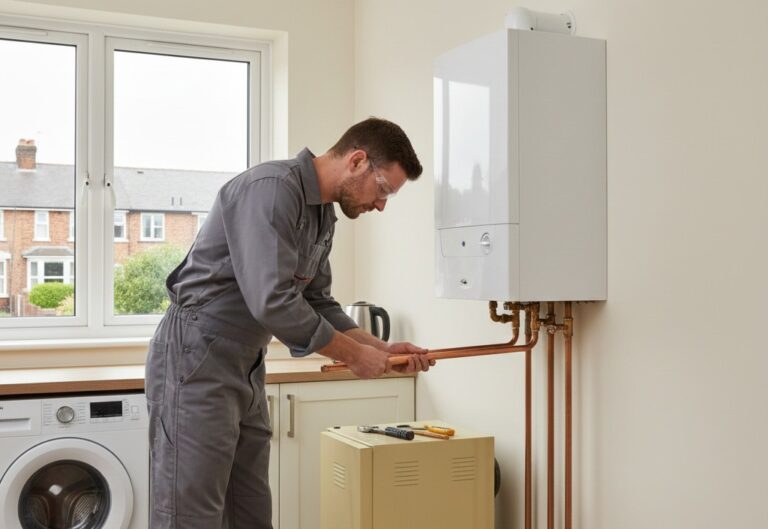
A typical household experiences no major faults but notices gradual performance decline. During a routine service, the engineer identifies worn components and pressure imbalance.
Minor adjustments restore efficiency and reduce strain on the system. The homeowner avoids a winter breakdown and gains confidence that their heating is being actively monitored rather than left to chance.
Do service plans reduce emergency call-outs?
While no system is immune to faults, serviced boilers are less likely to fail unexpectedly. When issues do occur, service plans often provide faster access to support.
This means:
- Quicker response times
- Reduced inconvenience
- Less reliance on emergency boiler repair
Preparedness plays a significant role in minimising disruption.
Is year-round servicing cost-effective?
Cost-effectiveness is not just about immediate savings. It is about reducing risk, managing long-term expenses, and improving system longevity.
Service plans help:
- Spread maintenance costs
- Reduce repair frequency
- Improve efficiency over time
For many homeowners, predictable spending is preferable to unexpected repair bills.
When should homeowners consider a service plan?
Service plans can be arranged at any point, but many households choose to set them up after installation or before winter begins.
They are particularly valuable if:
- Heating reliability is essential
- The boiler is ageing
- Budget stability is important
How Boiler Sure Service Plans Ensure Year-Round Heating Reliability
Reliable heating in Scotland is built through consistent care rather than reactive fixes. Year-round service plans help homeowners maintain comfort, manage costs, and avoid unnecessary disruption.
Boiler Sure supports Falkirk households with structured servicing, practical advice, and dependable support. With the right plan in place, heating reliability becomes a year-round certainty rather than a seasonal concern.