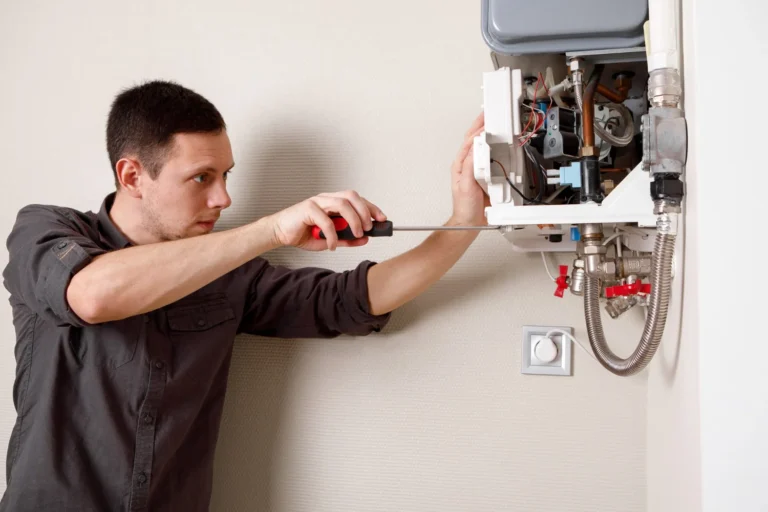

Replacing an old boiler can feel like a straightforward job. Find a new appliance, get it fitted and carry on with everyday life. In reality, the best replacement depends on the property, household and existing heating system.
This matters particularly when changing to a combi boiler. A combi can be an excellent solution for some homes, but it is not automatically suitable for every property. Water pressure, hot water demand, boiler output, pipework and installation position all need consideration.
For first-time homeowners, knowing the common mistakes in advance can make the process much easier. This guide looks at what can go wrong when choosing a replacement and how to approach the decision more carefully.
Is a Combi Boiler Always the Right Replacement?
No. A combi boiler produces hot water directly from the mains supply and normally does not require a separate storage cylinder. This makes it convenient and space efficient, but its performance depends partly on the property’s incoming water supply.
Before arranging a combi boiler replacement Stirling homeowners should consider:
- Number of bathrooms
- Number of people living in the property
- Typical hot water demand
- Mains water pressure and flow
- Existing boiler type
- Available installation space
- Condition of the heating system
A household with one bathroom and moderate hot water demand may have very different requirements from a larger household regularly using several outlets at once.
The first mistake to avoid is assuming that a combi is automatically the best option simply because it is a modern boiler type.
If you are unsure whether your current system should be replaced with a combi, contact Boiler Sure for professional guidance. A property assessment can help establish which system is appropriate before you commit to an upgrade.
Mistake 1: Choosing the Biggest Boiler Available
It is easy to assume that more power means better performance. Boiler output should actually be selected according to the property’s requirements.
An oversized boiler may not provide meaningful benefits if the home does not require that level of output. Conversely, an undersized appliance may struggle when demand is high.
The installer should consider heating requirements and, for a combi, the household’s hot water demand and incoming water supply.
The goal is appropriate sizing, not simply maximum capacity.
Mistake 2: Ignoring Water Pressure
This is particularly important when switching to a combi.
Because a combi heats mains water on demand, the incoming supply can affect the hot water experience at taps and showers.
A higher-output boiler cannot necessarily compensate for inadequate mains flow. This is why the installer should assess the water supply before recommending the appliance.
If water pressure or flow is unsuitable, another heating and hot water arrangement may be worth considering.
Mistake 3: Comparing Only the Boiler Price
The boiler appliance is only part of the project.
The overall boiler replacement cost can include:
- Boiler appliance
- Labour
- Controls
- Flue components
- Pipework
- Removal of the old system
- System preparation
- Additional components
- Testing and commissioning
Two quotations may appear to offer the same replacement but contain different levels of work.
When comparing boiler replacement cost, check the full specification rather than relying on the headline figure.
Mistake 4: Assuming a Like-for-Like Replacement Is Always Simple
Keeping the boiler in the same location can reduce the amount of work involved, but it does not guarantee a straightforward installation.
The new appliance still needs to be compatible with the existing flue arrangement, gas supply, pipework and heating system.
If the old boiler has been installed for many years, associated components may also need assessment.
A professional installer should check these details before work begins.
Mistake 5: Forgetting About Heating Controls
Replacing a boiler is a good opportunity to review the controls.
An older system may have a basic timer or thermostat that does not provide the same level of control as a modern setup.
Depending on the property and boiler, an upgrade could provide better control over heating schedules and temperatures.
Ask whether the proposed quotation includes controls and exactly what equipment will be installed.
Mistake 6: Choosing an Installer Based Only on Price
Price matters, but it should not be the only deciding factor.
A very low quotation may not include all the work required for a complete installation. At the other end of the scale, a higher price does not automatically guarantee better workmanship.
Look for an installer who provides:
- A clear written quotation
- Appropriate professional qualifications
- A suitable boiler recommendation
- Transparent installation details
- Warranty information
- Clear aftercare arrangements
A good quotation should explain what you are paying for.
Mistake 7: Not Asking About Additional Work
Some installation requirements only become obvious after a property has been inspected.
Potential additional work could include:
- Pipework alterations
- Flue changes
- Valve replacement
- Controls upgrades
- System cleaning
- Relocation of the boiler
- Changes to associated heating components
Not all of these will be necessary. The important thing is to ask what the installer has identified and whether any part of the quotation is conditional.
If you are comparing options for combi boiler replacement Stirling homeowners can arrange, Boiler Sure can explain the proposed work and any factors that may affect the quotation. Speak to the team before choosing an installation package.
Mistake 8: Not Checking the Warranty Conditions
A long warranty can sound reassuring, but homeowners should check what the warranty actually requires.
There may be specific conditions relating to installation, servicing or registration.
Before choosing a boiler, ask:
- How long is the warranty?
- What components are covered?
- Are there servicing requirements?
- What could invalidate the warranty?
- Who should be contacted if a fault occurs?
Keep the paperwork once the installation is complete.
Mistake 9: Forgetting About the Rest of the Heating System
A new boiler cannot necessarily fix every heating problem.
If radiators are cold, valves are sticking or the system contains significant debris, these issues may need attention separately.
Before replacement, ask the installer whether the existing heating system is in suitable condition for the new boiler.
This can help prevent the common situation where a homeowner expects a new appliance to solve problems caused elsewhere in the system.
Mistake 10: Waiting Until the Boiler Completely Fails
A boiler does not have to stop working completely before replacement becomes worth considering.
If an appliance is becoming unreliable, requiring repeated repairs or showing signs of age, homeowners may prefer to plan a replacement rather than wait for an emergency.
Planned work gives you more time to research boiler options, compare quotations and choose a suitable installer.
However, replacement should still be based on the condition and performance of the existing system rather than age alone.
What Should a First-Time Buyer Include in a Replacement Checklist?
A simple checklist can keep the process organised.
| Question | Why it matters |
| Is a combi suitable? | Confirms the system matches household needs |
| Is water pressure adequate? | Important for combi hot water performance |
| Is the output correct? | Helps avoid unsuitable sizing |
| Is the installation scope clear? | Reduces uncertainty |
| Are controls included? | Confirms the complete system |
| Is the flue suitable? | Important for safe installation |
| Is pipework included? | Identifies potential extra work |
| What is the warranty? | Helps compare long-term cover |
| What aftercare is offered? | Provides clarity after installation |
A Typical First-Time Upgrade
Imagine a homeowner in Stirling with an older regular boiler. They want to reclaim cupboard space and believe a combi is the obvious answer.
Before the replacement, an installer checks the property’s hot water usage, mains water supply, heating demand and existing system. The assessment confirms that a combi could work, but some changes are required to the pipework and controls.
The homeowner receives a detailed quotation explaining the work rather than simply paying for a new appliance and fitting.
This approach avoids a common mistake: choosing the boiler first and asking whether it suits the property afterwards.
How Can You Avoid an Expensive Replacement Mistake?
Start with the property, not the product.
Ask an installer to assess your heating and hot water requirements, then compare complete quotations based on the same criteria.
Avoid choosing an appliance solely because it has a high output, low advertised price or long warranty. Those features are only useful when the boiler is appropriate for the home.
A carefully planned replacement should give you clarity about the equipment, installation work, costs and aftercare before the job begins.
Frequently Asked Questions
Final thoughts
A successful boiler replacement starts with choosing a system that suits the property rather than simply replacing one appliance with another.
For first-time homeowners, checking water pressure, boiler sizing, installation requirements, controls, warranty terms and the condition of the wider heating system can prevent many common mistakes.
If you are considering combi boiler replacement Stirling homeowners can arrange through Boiler Sure, the team can provide practical advice based on your property’s requirements. Contact Boiler Sure to discuss your options and request a tailored quotation.