Buying a boiler for the first time can be difficult when you do not know what a typical installation involves. A quick search can produce very different prices, and it is not always obvious why one quotation costs considerably more than another.
The appliance itself is only part of the project. Boiler type, output, labour, controls, pipework, flue requirements and the condition of the existing heating system can all affect the final figure.
For first-time homeowners, understanding these factors makes it easier to compare quotations without getting distracted by a single headline price. This guide breaks down the main costs and questions to consider before agreeing to a replacement.
What Makes Up the Price of a New Boiler?
The total price usually consists of several elements rather than one fixed charge.
A replacement project may include:
- Boiler appliance
- Installation labour
- Heating controls
- Flue components
- Gas and water connections
- Pipework alterations
- Removal and disposal of the existing appliance
- System preparation where appropriate
- Testing and commissioning
- Relevant documentation
The exact combination depends on the property and the proposed system.
When looking at boiler prices and installation Stirling homeowners should therefore compare the complete specification rather than assuming the cheapest advertised boiler represents the lowest overall cost.
If you are unsure what your property needs, contact Boiler Sure for straightforward guidance. A professional assessment can help establish what equipment and installation work are appropriate before you commit to a quotation.
Does the Boiler Type Affect the Overall Price?
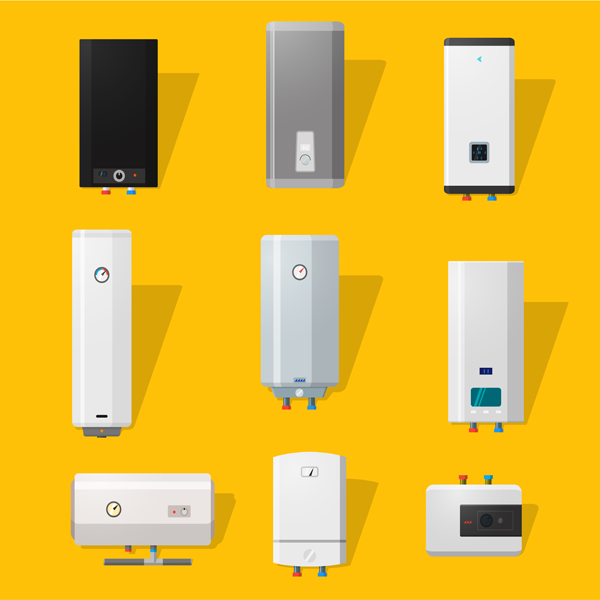
Yes. Different boiler systems have different components and installation requirements.
Combi Boilers
A combi boiler heats water on demand and normally does not require a separate hot water cylinder. This can make it a practical option for many smaller properties.
System Boilers
A system boiler works with a hot water cylinder and can be useful where there is greater hot water demand.
Regular Boilers
Regular boilers are often found in older heating systems and normally work with a hot water cylinder and cold water storage arrangement.
Switching between boiler types can involve additional work, so a like-for-like replacement is not necessarily comparable with a complete system change.
How Does Boiler Output Affect the Price?
Boiler output is measured in kilowatts and should be matched to the property’s heating and hot water requirements.
A higher output does not automatically mean better performance. An appropriately sized boiler can be more suitable than simply choosing the largest appliance available.
An installer should consider factors such as:
- Property size and layout
- Number of bathrooms
- Household occupancy
- Hot water demand
- Existing heating system
- Mains water supply where relevant
This assessment helps determine which appliance is appropriate rather than relying on a generic recommendation.
What Is Included in Installation Labour?
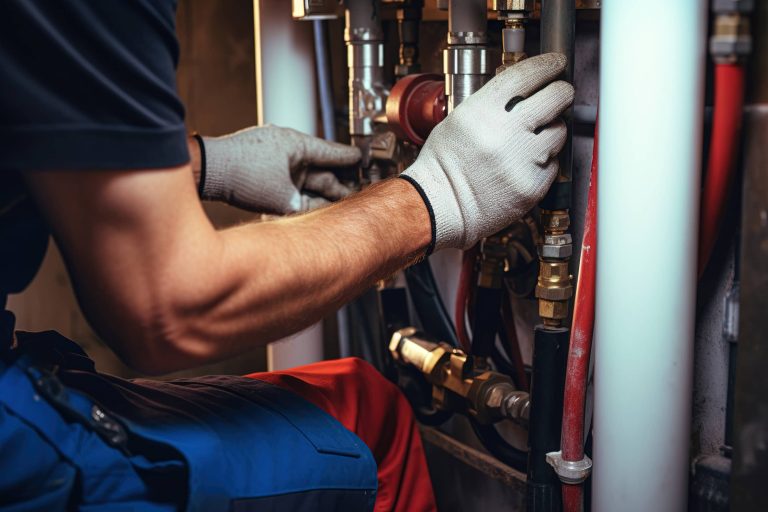
Labour can cover considerably more than fitting the appliance.
Depending on the project, installation work may include:
- Isolating and removing the existing boiler
- Preparing the installation position
- Installing the new appliance
- Connecting heating and hot water pipework
- Connecting the gas supply
- Installing the flue
- Fitting controls
- Testing and commissioning
- Explaining the system to the homeowner
- Completing relevant documentation
A quotation should make the scope of labour clear.
If a quote simply says “installation included”, ask what that actually covers.
What Additional Work Can Increase the Total?
Older heating systems can sometimes require additional work before a replacement boiler can be installed correctly.
Potential requirements include:
- Pipework modifications
- Flue alterations
- Replacement valves
- Heating control upgrades
- System cleaning
- Radiator improvements
- Electrical work
- Changes to the boiler position
Not every installation requires these changes. However, homeowners should know that the existing condition of the system can affect the final project.
This is why an assessment is generally more useful than relying on an advertised starting price.
Why Can the Cost for Boiler Installation Vary Between Homes?
The cost for boiler installation depends heavily on the property’s existing setup.
Two homes may both need a combi boiler but require different amounts of work. One might have the existing boiler in a suitable location with compatible pipework, while another could need changes to the flue, gas supply or heating controls.
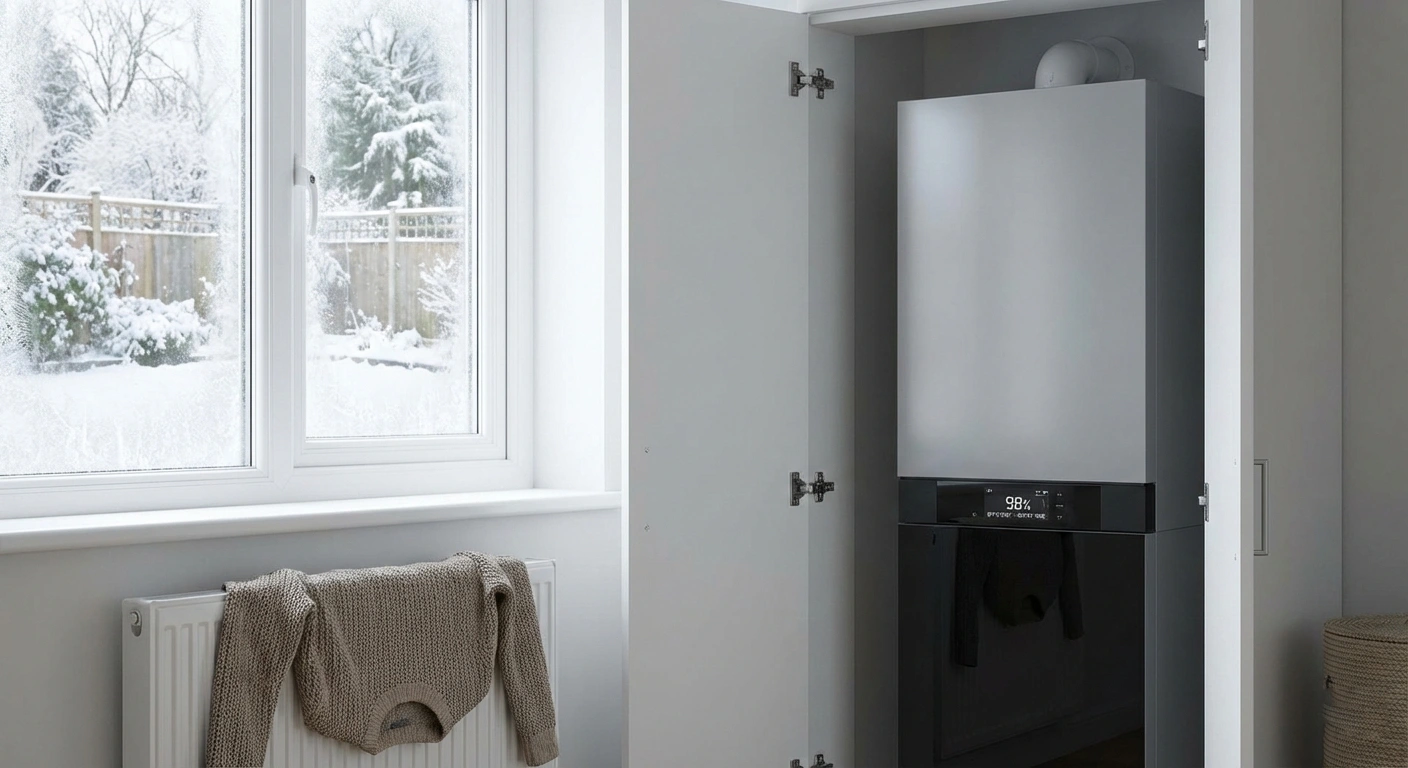
Access can also affect the work involved. A boiler positioned in an awkward location may take longer to remove and replace than one in an easily accessible cupboard.
This means there is no single figure that can accurately represent every installation.
What Should You Look for in a Boiler Quotation?
A clear quotation should allow you to understand what you are paying for.
| Quotation detail | What to check |
| Boiler | Exact manufacturer and model |
| Output | Suitable capacity for the property |
| Labour | Full installation scope |
| Controls | Thermostat and control equipment |
| Flue | New flue or alterations included |
| Pipework | Any required modifications |
| Removal | Existing boiler disposal |
| System preparation | Cleaning or preparation where appropriate |
| Warranty | Length and conditions |
| Certification | Documentation provided |
| Additional costs | Clearly stated exclusions |
Comparing quotations using the same checklist can help identify whether two prices genuinely cover the same work.
Should You Choose the Cheapest Boiler Price?
Not automatically.
Price is an important consideration, particularly for first-time homeowners managing other property expenses. However, a low headline figure may not include everything required for the installation.
A more expensive quotation may include better controls, additional preparation or a more comprehensive installation package.
At the same time, a higher price does not automatically mean better quality.
The most useful comparison is between complete quotations from appropriately qualified installers, with the same key elements clearly identified.
What Questions Should First-Time Buyers Ask?
Before accepting a quotation, ask:
- Why has this boiler been recommended?
- Is the output suitable for my property?
- What exactly is included in the installation?
- Are controls included?
- Is the flue included?
- Will existing pipework be checked?
- Could additional work be required?
- Is removal of the old boiler included?
- What warranty is available?
- What documentation will I receive?
These questions are simple, but they can reveal important differences between quotations.
If you are comparing boiler prices and installation Stirling homeowners may encounter, Boiler Sure can explain the proposed system and installation scope. Speak to the team if you want a clearer understanding of what should be included before making a decision.
Is a Boiler Assessment Worth Having Before Buying?
Yes. An assessment gives the installer an opportunity to inspect the existing system and understand the property’s requirements.
This can reduce the risk of selecting an unsuitable boiler or discovering unexpected installation requirements after work has started.
The assessment may also reveal opportunities to improve controls, pipework or other parts of the heating system.
For a first-time homeowner, the value is often in reducing uncertainty rather than simply finding the lowest initial price.
A Typical First-Time Buyer Example
Imagine a homeowner purchasing a three-bedroom property in Stirling with an ageing boiler that has become increasingly unreliable.
The homeowner finds an advertised replacement price online and assumes this is the likely total. After an installer assesses the property, however, it becomes clear that the boiler position is suitable but the heating controls are outdated and some pipework needs attention.
The final quotation is higher than the original advertised figure, but it includes the additional work required for a complete installation.
Instead of comparing the original price with another basic boiler offer, the homeowner compares the complete specifications. This provides a much more realistic basis for making a decision.
How Can You Keep Replacement Costs Predictable?
There are several practical ways to reduce uncertainty.
Get a Detailed Written Quote
A written quotation should clearly explain the proposed boiler and installation work.
Ask About Potential Extras
Find out what circumstances could cause the final cost to change.
Compare Like for Like
Make sure quotations include comparable boilers, controls and installation work.
Consider the Whole System
A new boiler may work better if associated components are also brought into suitable condition.
Keep Installation Records
Documentation can be useful for warranties, servicing and future property records.
Frequently Asked Questions
Final thoughts
Understanding boiler prices and installation Stirling homeowners face starts with looking beyond the appliance itself. The boiler type, output, labour, controls, flue, pipework and condition of the existing system can all influence the total.
For first-time buyers, a detailed assessment and written quotation are valuable because they provide a clearer picture of what the project involves. Comparing complete specifications rather than headline prices can also help avoid unexpected costs.
If you are considering a replacement and want professional guidance, Boiler Sure can explain the available options and help you understand the installation requirements for your property. Contact the team to discuss your needs and request a tailored quotation.