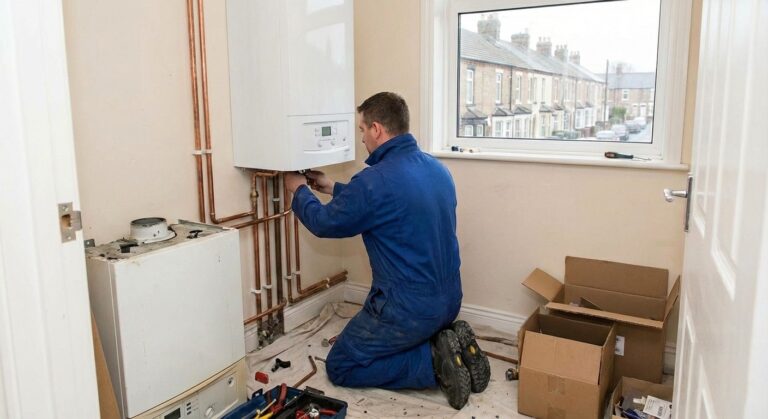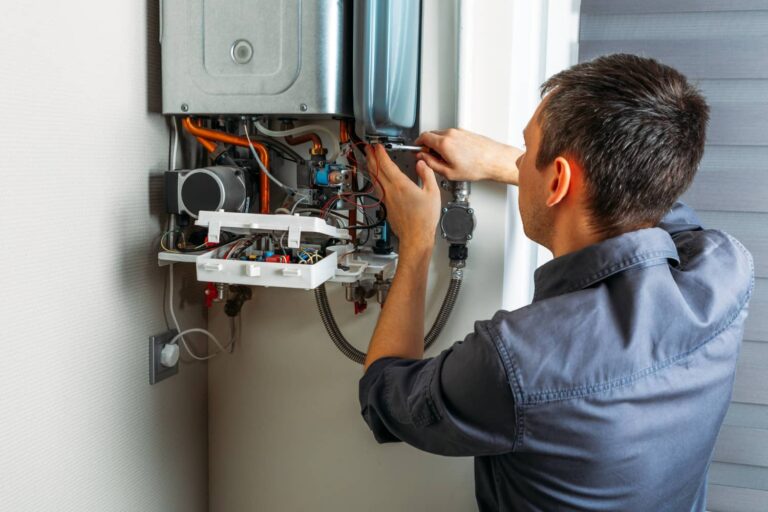
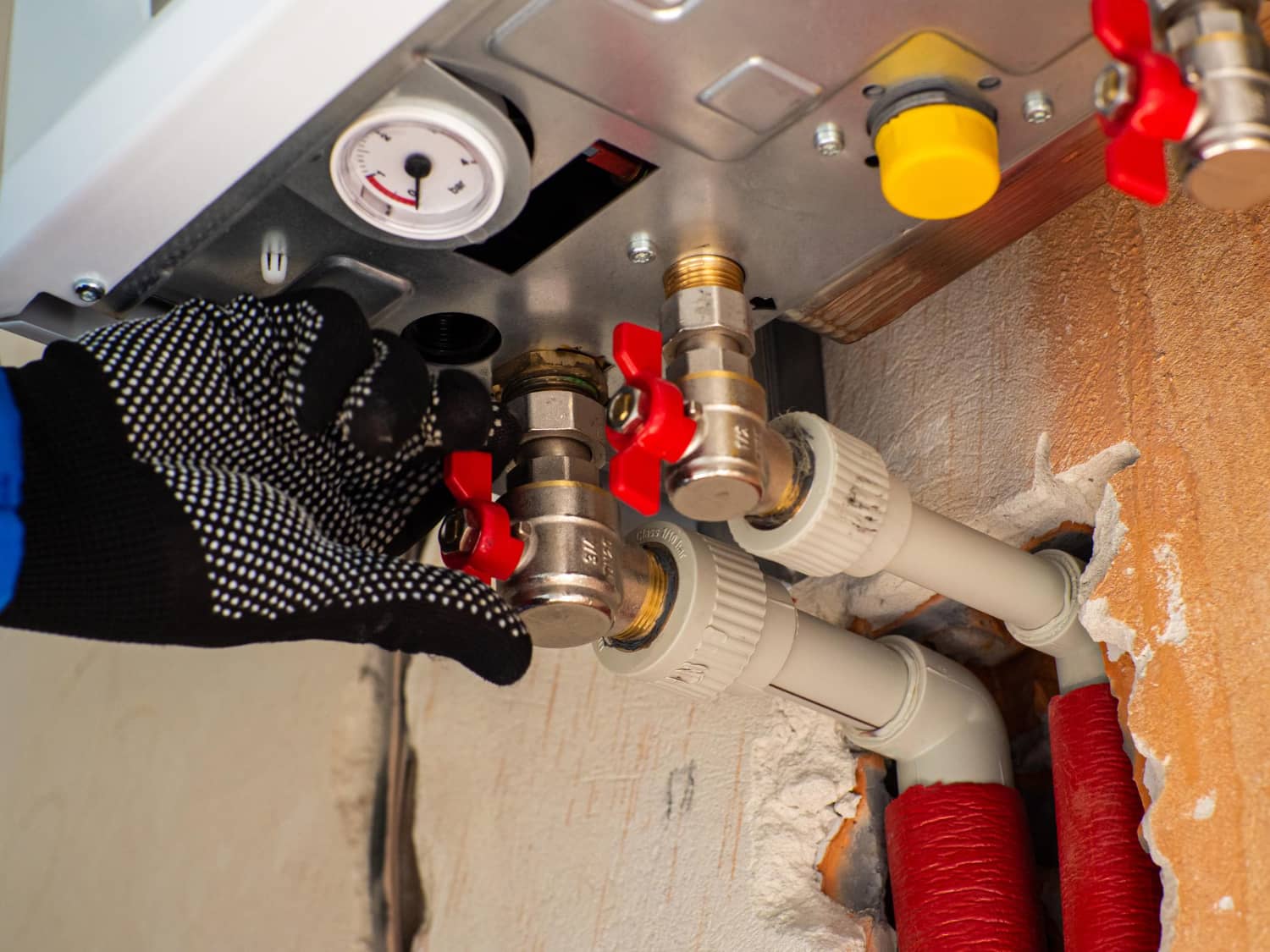
A new gas boiler is a significant part of a home’s heating system, so safety should be considered throughout the installation process rather than treated as a final check.
For homeowners, much of the technical work will happen behind the scenes. However, there are several important details worth understanding, from the boiler’s position and flue arrangement to gas connections, condensate drainage, controls and final commissioning.
If you are arranging gas boiler installation edinburgh, knowing what a professional installation should involve can help you ask sensible questions and recognise why certain checks or changes may be necessary.
If you are planning a replacement, contact Boiler Sure for professional guidance on the requirements of your property before installation begins.
Why does boiler installation safety matter?
Gas appliances need to be installed, tested and maintained correctly because faults can have serious consequences.
A professional installation should take account of the appliance manufacturer’s instructions, relevant safety requirements and the individual characteristics of the property.
Safety is not simply about connecting the boiler. It also involves the surrounding installation and ensuring that components work together correctly.
An installer should consider:
- Gas supply
- Flue arrangement
- Condensate drainage
- Pipework
- Electrical connections
- Controls
- Appliance location
- System pressure
- Final testing and commissioning
Each property presents different challenges, particularly where an older heating system is being replaced.
What should an engineer check before installing a gas boiler?
A proper assessment should happen before the installation starts.
The engineer should establish whether the proposed boiler is suitable for the property and whether the existing installation can support it.
Important considerations can include:
| Safety consideration | Why it matters |
| Boiler location | Ensures suitable access and installation conditions |
| Gas supply | Confirms the appliance can be supplied appropriately |
| Flue | Provides safe removal of combustion products |
| Condensate | Allows waste water to drain correctly |
| Pipework | Supports safe and reliable operation |
| Controls | Allows heating to be managed correctly |
| Electrical supply | Supports safe operation of the appliance |
| Commissioning | Confirms correct operation after installation |
These checks are particularly important when replacing an older boiler because the existing arrangement may not meet the requirements of the new appliance.
Why is the flue so important?
The flue is a critical part of a gas boiler installation because it carries combustion products safely away from the appliance and the property.
Its position, route and termination need to be suitable for the boiler and building.
An installer should consider whether the existing flue can be reused or whether a new arrangement is required. They should also check that the proposed route is appropriate before installation begins.
Homeowners do not need to understand every technical requirement, but it is reasonable to ask where the flue will run and whether any changes are needed.
A reputable gas boiler installation company should be able to explain this in straightforward language.
Does boiler location affect safety?
Yes. The location of a boiler needs to be considered carefully.
Homeowners may prefer a particular position because it is hidden away or convenient, but the installer needs to establish whether that location is suitable.
Factors can include:
- Access for servicing
- Flue routing
- Pipework connections
- Condensate drainage
- Required clearances
- Accessibility of controls
- Future maintenance
A good installation balances practical household preferences with the technical requirements of the appliance.
What should homeowners know about ventilation?
Ventilation requirements depend on the appliance and installation arrangement.
Modern room-sealed boilers are designed differently from older open-flued appliances, but that does not mean ventilation can simply be ignored.
The installer should assess the proposed installation and follow the relevant requirements for the specific appliance and property.
If changes to ventilation are recommended, ask the installer to explain why they are necessary rather than assuming they are simply an optional upgrade.
What happens to the condensate pipe?
Condensing boilers produce condensate as part of normal operation. This water needs to be discharged safely through an appropriate drainage arrangement.
During a replacement, an engineer should inspect the existing condensate route and determine whether it is suitable for the new appliance.
In colder weather, poorly positioned or inadequately protected condensate arrangements can be vulnerable to freezing. The installation should therefore account for the property’s conditions and the relevant installation requirements.
This is another example of why gas boiler installation edinburgh should be assessed as a complete system rather than just a boiler replacement.
What should happen during commissioning?
Commissioning is an important stage after the boiler has been installed.
The appliance should be checked and set up according to the manufacturer’s requirements. The engineer should also ensure that the heating system is operating correctly and that relevant safety checks have been completed.
Homeowners should receive clear information about:
- How to operate the boiler
- How to use the controls
- Basic pressure information
- What to do if the boiler displays a fault
- Servicing requirements
- Warranty arrangements
The handover should leave the homeowner understanding the basics of the new system.
If you want reassurance about what is included in your installation, speak to the Boiler Sure team and ask for the work and commissioning process to be explained clearly.
What qualifications should a gas installer have?
Gas work should be carried out by an appropriately qualified and registered professional.
Homeowners should check that the person carrying out gas work is authorised to do so and that the work is completed in accordance with the applicable requirements.
It is sensible to ask who will actually carry out the gas work, particularly where a company uses multiple engineers or subcontractors.
A professional gas boiler installation company should have no issue explaining the qualifications and registration relevant to the work being undertaken.
What should a safe quotation include?
Safety-related work should not be hidden behind vague wording.
A useful quotation should identify the proposed boiler and explain the main installation requirements.
Look for information covering:
- Boiler make and model
- Installation location
- Flue arrangements
- Controls
- Pipework alterations
- Condensate arrangements
- Removal of the existing boiler
- Testing and commissioning
- Warranty information
- Any additional work identified during the assessment
The exact wording will vary between installers, but homeowners should have a reasonable understanding of what is being proposed.
A typical Edinburgh installation example
Consider an older Edinburgh home where the existing boiler has reached the end of its useful life. The homeowner would like the replacement installed in the same location.
During the assessment, the engineer checks the existing flue route, gas supply, condensate drainage and pipework. The boiler can remain in the same general position, but part of the installation needs updating to suit the replacement appliance.
Rather than treating these changes as unexpected work on installation day, they are identified and explained beforehand.
This is what clear professional advice should look like. The homeowner understands what is being changed, why it is necessary and what is included in the quotation.
What warning signs should homeowners take seriously?
There are several reasons to pause and ask questions before proceeding.
Be cautious if an installer:
- Does not inspect the property
- Cannot explain where the flue will go
- Gives no information about commissioning
- Is vague about who will carry out the gas work
- Cannot explain additional charges
- Discourages questions
- Suggests safety-related work can simply be ignored
A professional conversation should make safety requirements easier to understand.
Can homeowners carry out any boiler safety checks themselves?
Homeowners should not attempt to carry out gas appliance repairs, adjustments or internal safety checks themselves.
There are, however, simple things they can monitor, such as unusual noises, visible damage, repeated fault codes or changes in system pressure.
If something appears abnormal, the appropriate response is to seek professional assistance rather than attempting to repair the appliance.
Regular professional servicing can also help identify developing problems before they become more serious.
Frequently Asked Questions
Final thoughts
Safe gas boiler installation edinburgh is about much more than fitting a new appliance to the existing pipes. The boiler, gas supply, flue, condensate, controls and surrounding installation all need to work together correctly.
For homeowners, the most useful approach is to ask questions, understand what the quotation includes and make sure the installer can explain the important safety details clearly.
Boiler Sure focuses on practical, professional heating advice and clear communication throughout the installation process. If you are considering replacing a gas boiler, contact our team to discuss your property and arrange tailored advice.