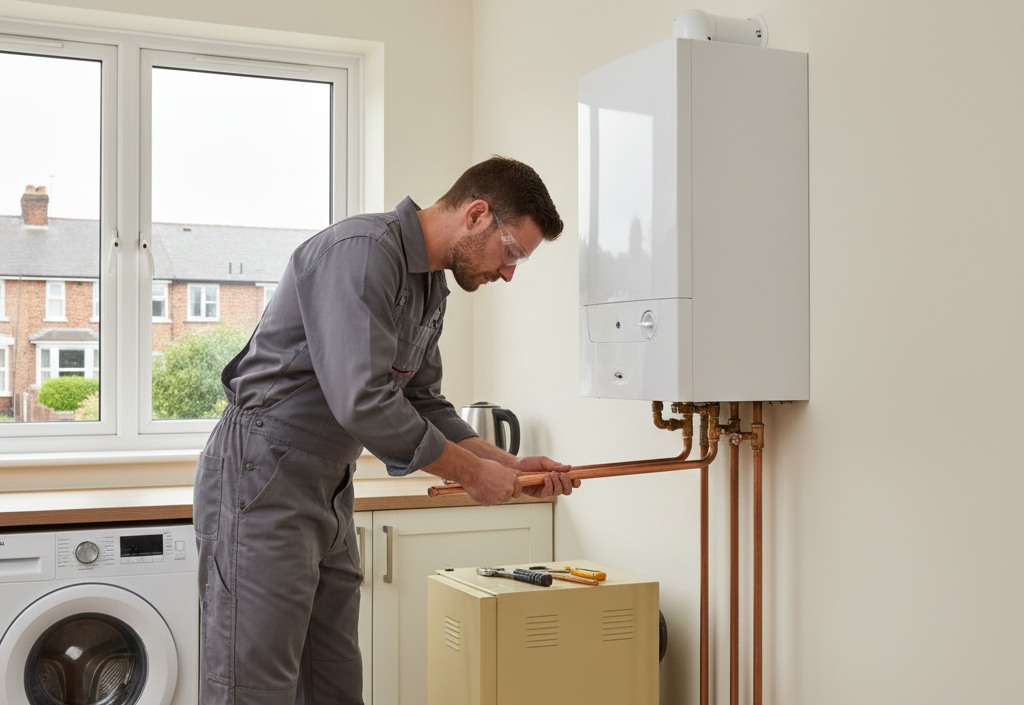
A combi boiler can be a practical choice for many homes, but choosing one should not begin with a product catalogue. Before recommending a particular appliance, an installer should understand how the property is heated, how hot water is used and whether the existing system is suitable for conversion.
This matters because two homes with the same number of bedrooms can have very different heating and hot water demands. Household size, bathrooms, water pressure, pipework and available space can all influence whether a combi system is appropriate.
If you are considering a new combi boiler edinburgh, the quality of the questions asked during the assessment can tell you a great deal about the quality of the recommendation.
If you are unsure whether a combi system is suitable for your home, contact Boiler Sure for practical guidance based on your property’s requirements.
What should an installer ask about your household?
The first questions should usually focus on how the heating and hot water system is used.
An installer may ask:
- How many people live in the property?
- How many bathrooms are there?
- How often are showers and baths used?
- Are multiple taps used at the same time?
- Is hot water demand concentrated around certain times?
- Are there plans to extend the property?
- Does anyone regularly work from home?
These details help establish the likely demand on the heating and hot water system.
A household of one or two people may have very different requirements from a family of five. Similarly, a property with one bathroom may have less simultaneous hot water demand than a home with several bathrooms.
A recommendation should therefore be based on actual usage rather than simply the number of bedrooms.
Is the home’s water pressure suitable?
Water pressure is an important consideration with combi systems because the appliance heats mains water directly when a tap or shower is used.
An installer should assess whether the incoming water supply can provide the flow required for the household.
If the incoming supply has limitations, simply choosing a larger boiler may not solve the problem. The available mains flow and pressure can restrict hot water performance regardless of the boiler’s rated output.
This is one reason combi boiler installation edinburgh should begin with an assessment rather than a product choice.
How important is the existing pipework?
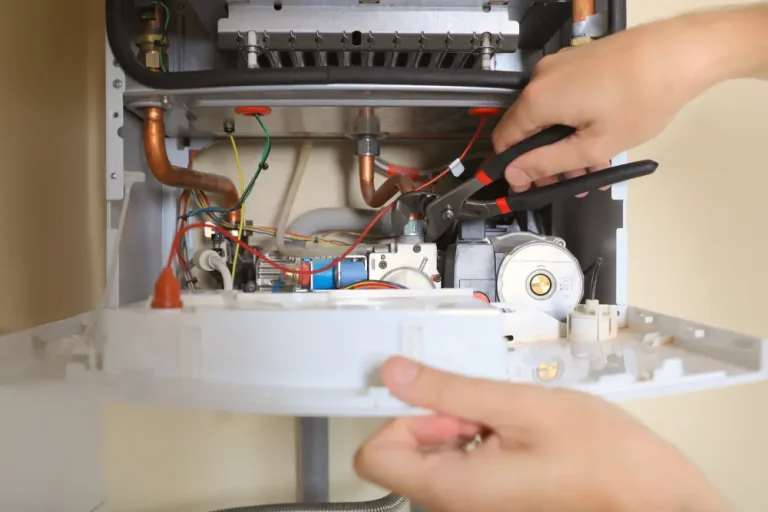
Existing pipework can affect both the installation process and the performance of the new system.
Older properties may have pipework that has been modified over time or may contain sections that are no longer ideal for the proposed arrangement. An installer should identify any relevant issues before work starts.
Questions worth asking include:
- Is the existing pipework suitable?
- Will any sections need replacing?
- Is the gas supply adequate?
- Are system components in good condition?
- Will the boiler location need to change?
A good installer should explain any proposed alterations rather than simply adding them to a quotation without context.
What about the boiler location?
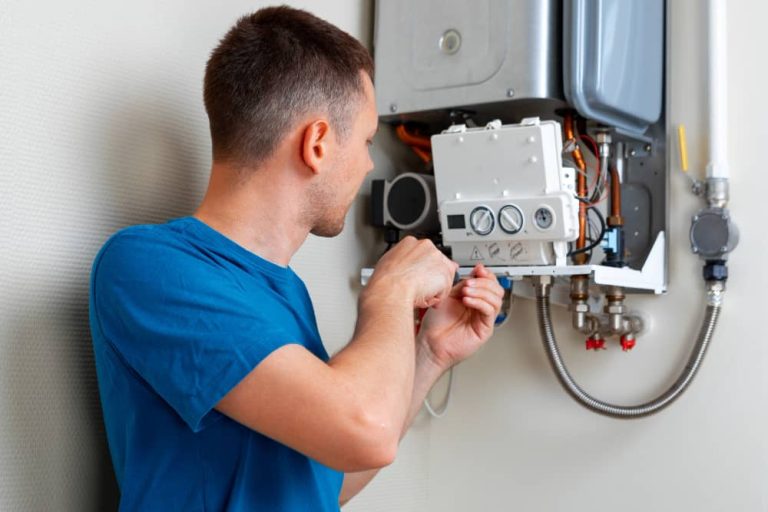
Where the boiler is installed can affect access, pipework, flue arrangements and how easily the appliance can be maintained in the future.
A homeowner may prefer a particular location because it is hidden from view or frees up cupboard space. However, the preferred position still needs to be practical and compliant.
An installer should consider:
- Access for servicing
- Flue requirements
- Condensate drainage
- Ventilation where applicable
- Pipework routes
- Clearances around the appliance
- Future maintenance access
The best location is therefore not always the most convenient-looking one.
Which boiler output is actually required?
Choosing a boiler based purely on the largest available output is not good practice.
The heating output needs to reflect the property’s requirements, while the hot water performance needs to match the household’s expected demand.
A boiler that is too small may struggle to meet demand. One that is unnecessarily large may not provide meaningful benefits and could be a poor fit for the system.
A competent installer should explain how the recommended output has been determined.
What should you ask about the proposed output?
Ask:
- What heating demand does the property have?
- What hot water demand is expected?
- Why has this output been selected?
- Does the boiler’s hot water performance suit the household?
- Would a different output be more appropriate?
The explanation does not need to be highly technical. You should simply understand the reasoning behind the recommendation.
Does the existing heating system affect the decision?
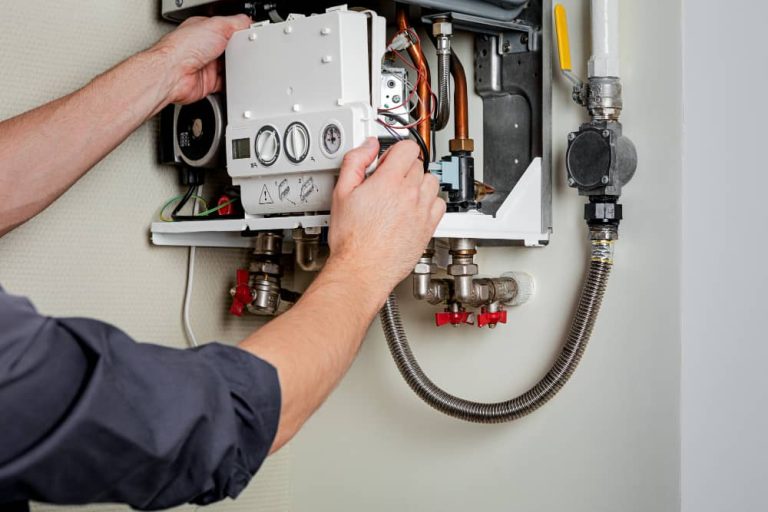
Yes. Converting an existing system to a combi boiler is not always a simple swap.
If the home currently has a hot water cylinder and cold water storage arrangements, removing these components may create useful space, but it can also require changes to pipework and system configuration.
The installer should assess whether the conversion is technically suitable and explain what would be involved.
If your home currently uses a traditional or system boiler and you are considering switching to a combi, speak to the Boiler Sure team before making a decision so the practical implications can be explained clearly.
What controls should be discussed?
Controls are another area that should form part of the conversation.
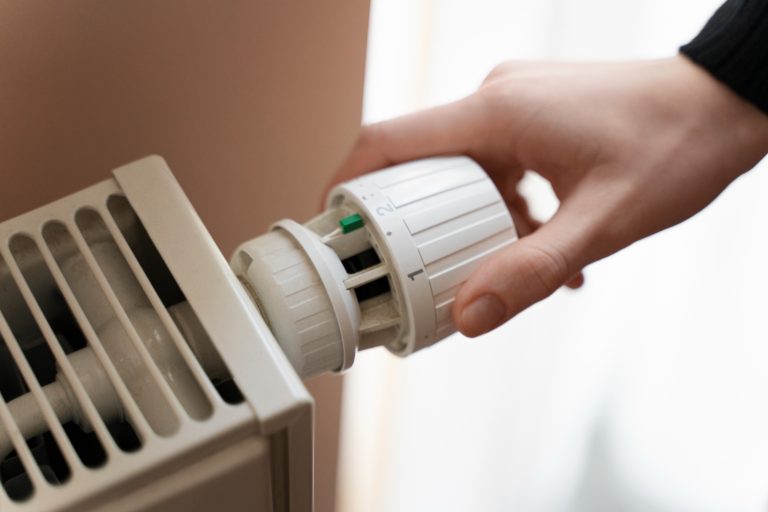
A modern heating system can often be managed using programmable controls, room thermostats and other control options. The appropriate arrangement depends on the property and how the household uses its heating.
Rather than automatically adding the most advanced control available, an installer should explain the options and recommend something that is practical for the homeowner.
Good advice should cover:
- What control system is proposed
- Where the thermostat will be positioned
- How the heating schedule can be managed
- Whether zoning is relevant
- Whether the controls are compatible with the boiler
What should a clear installation quote explain?
Once the assessment is complete, the quotation should make the proposed work understandable.
A useful quotation may include:
| Item | What the homeowner should understand |
| Boiler | Exact make, model and output |
| Controls | What is included |
| Pipework | Any alterations required |
| Flue | Proposed arrangement |
| System work | Changes or upgrades needed |
| Labour | Main installation work |
| Removal | Disposal of existing equipment |
| Testing | Commissioning and checks |
| Warranty | Cover provided |
The more clearly these elements are explained, the easier it becomes to compare options.
A quote that simply lists a boiler and one total price may leave important questions unanswered.
A typical Edinburgh home scenario
Consider a family living in a three-bedroom Edinburgh property with an older regular boiler, hot water cylinder and storage tank.
The family wants to create more cupboard space and asks about a combi system. A thorough assessment would look at the mains water supply, existing pipework, household hot water demand, boiler location and whether removing the existing cylinder and storage arrangements is practical.
If the water supply and household demand are suitable, a combi conversion may make sense. If not, another system could provide a better solution.
The important part is that the decision comes after the assessment rather than before it.
What are the warning signs of poor advice?
There are several signs that an installer may not have assessed the property thoroughly.
Be cautious if:
- A boiler is recommended without asking about household usage
- Water pressure is never discussed
- No attention is given to the existing system
- The installer cannot explain the recommended output
- The quotation contains vague allowances
- Additional work is mentioned without explanation
- You feel pressured to accept immediately
Good professional advice should make the decision clearer, not more confusing.
Should you choose a combi boiler simply because it saves space?
Space can be a genuine advantage, but it should not be the only reason.
Removing a cylinder and storage tank can free up useful cupboard or loft space. However, the change also alters how hot water is produced and supplied.
For some households, the compact arrangement works very well. For others, a stored hot water system may provide a better match for their usage.
The right choice depends on the property and household rather than the space-saving benefit alone.
How can you prepare for an installer visit?
A little preparation can make the assessment more useful.
Before the visit, consider:
- How many people use hot water daily
- Which bathrooms are used regularly
- Whether hot water pressure has ever been an issue
- Problems experienced with the current boiler
- Where you would ideally like the new boiler
- Whether the property may be extended
- Any plans to alter bathrooms or heating
You can also prepare a list of questions about warranties, controls, servicing and likely installation timescales.
Frequently Asked Questions
Final thoughts
A new combi boiler edinburgh recommendation should be based on more than the size of the property or the price of the appliance.
A good installer will ask about household usage, water pressure, existing equipment, pipework, boiler location and heating controls before recommending a system. They should then explain the reasoning clearly and provide a quotation that sets out the proposed work.
The goal is not simply to find a combi boiler that can be installed. It is to establish whether a combi system is genuinely suitable for the home.
Boiler Sure takes a practical, property-focused approach to heating advice. [CTA 3] If you are considering a new combi system, contact our team to discuss your requirements and arrange tailored advice.