In the UK, where cold and wet weather is frequent for much of the year, maintaining your home’s boiler is not a luxury—it’s a necessity. From Glasgow to Edinburgh, homeowners in Central Scotland rely on central heating for comfort and safety during the winter months. But boilers are complex systems that demand regular attention to keep them running smoothly. Ignoring routine boiler maintenance can lead to breakdowns, costly repairs, or even dangerous situations like gas leaks and carbon monoxide exposure.
This guide provides a detailed look at year-round boiler maintenance, helping homeowners and landlords avoid unnecessary disruption and expense. Whether you’re preparing for winter or winding down after a cold season, understanding what your boiler needs throughout the year can improve efficiency, reduce heating bills, and extend the system’s lifespan.
Why Seasonal Boiler Maintenance Matters
Your boiler’s performance varies with the seasons. During winter, it operates under heavy demand and must provide consistent heat and hot water. In contrast, spring and summer place lighter loads on the system, offering the perfect opportunity for inspection and servicing.
Without seasonal upkeep, issues such as pressure drops, corrosion, and limescale buildup can go unnoticed until the system fails. Moreover, maintenance is often more affordable and accessible outside of peak demand seasons, when engineers have more availability.
Preparing for Winter: What Every Homeowner Should Know
Winter is the time when your boiler works the hardest, making it essential to ensure the system is running safely and efficiently before the cold sets in.
Inspect and Clear Vents for Proper Airflow
Blocked flue vents can hinder airflow, preventing dangerous gases like carbon monoxide from exiting your home. Obstructions—like leaves, debris, or ice—can lead to inefficient combustion or dangerous fume build-up indoors. Check both internal and external vents and keep them free from any blockages throughout the winter.
Test Your Thermostat
An accurate thermostat ensures your boiler maintains comfortable indoor temperatures without overworking. Compare its reading to a separate room thermometer. If it differs significantly, recalibrate or replace it. A functioning thermostat saves energy and supports even heating throughout your home.
Maintain Correct Boiler Pressure
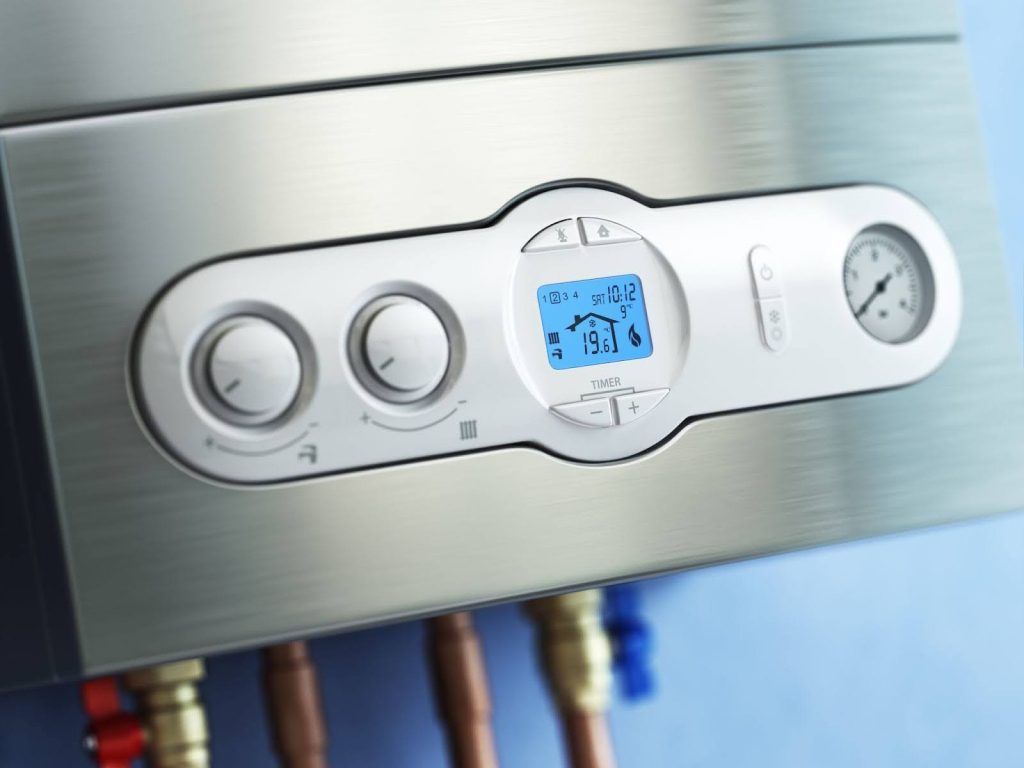
Boiler pressure should typically sit between 1 and 1.5 bar. Too low, and your heating system won’t work effectively. Too high, and safety valves may activate unnecessarily. Check your boiler’s manual and inspect the gauge to monitor the pressure. If needed, use the filling loop to top it up or bleed radiators to reduce pressure.
Bleed Radiators to Eliminate Air Pockets
Radiators that are cold at the top and warm at the bottom may have trapped air. Use a radiator key to release this air, restoring full heat circulation. Regular bleeding before and during winter reduces strain on your boiler and improves energy efficiency.
Insulate Pipes to Prevent Freezing
Frozen condensate pipes are among the most common winter boiler issues in the UK. They can cause boiler lockouts and flooding. Insulate pipes in exposed areas—such as lofts and garages—with foam lagging to prevent freezing and subsequent damage.
For more details on upgrading old units for winter efficiency, explore the options available on New Boilers for modern condensing boiler systems that improve energy ratings and reduce carbon emissions.
Spring and Summer Maintenance: Don’t Neglect the Quiet Months
When your heating system is in low demand, it’s the perfect time to carry out deeper inspections and preventive maintenance. Neglecting your boiler during these months could lead to reduced efficiency or breakdowns when you need heat the most.
Book an Annual Boiler Service
Spring and summer are the best times to schedule your annual boiler servicing. A certified engineer will check for signs of corrosion, leaks, and wear on components. They’ll also assess the combustion chamber, flue system, and gas flow, ensuring safe and legal operation under UK Gas Safe standards.
Visually Check for Leaks and Rust
Look over pipes and the boiler casing for signs of rust or water stains. Even minor leaks can lead to pressure drops, damage your home, and raise your bills. Addressing these early prevents more serious failures down the line.
Clear the Area Around the Boiler
Ensure adequate space around your boiler for air circulation. Remove dust, debris, and stored household items to prevent overheating or airflow restrictions.
Consider a Power Flush If Heating Feels Inadequate
If your radiators take longer to heat up or show cold patches, sludge or debris may be obstructing the flow. A professional power flush cleans your system internally, removing dirt and scale from radiators and pipes. This can improve heat distribution and efficiency considerably.
You can learn more about diagnosing and solving heating issues throughBoiler Repairs, where professionals provide reliable servicing and emergency assistance.
DIY Boiler Checks for All Seasons
While annual services should be left to Gas Safe engineers, there are several safe DIY tasks you can do to maintain your system year-round.
Monitor the Pressure Gauge Weekly
Quickly checking your boiler’s pressure gauge each week can help you detect pressure loss or overpressurisation before it becomes a major issue. Most modern systems alert you when pressure is outside the ideal range.
Listen for Strange Noises
Gurgling, banging, or whistling sounds could signal trapped air, pump failures, or limescale buildup. These noises should not be ignored and usually require attention before they escalate.
Check the Pilot Light (For Older Boilers)
If you still have a pilot light rather than an electric ignition, ensure it’s burning a steady blue flame. Yellow or flickering flames can indicate incomplete combustion and may be a sign of a carbon monoxide risk.
Test Carbon Monoxide Alarms
Ensure your alarms work by pressing the test button monthly. Replace units according to manufacturer guidance—typically every 5 to 7 years—and ensure one is located near the boiler and in key areas like bedrooms.
Common Seasonal Boiler Issues and How to Fix Them
Boilers often experience recurring problems tied to seasonal use. Understanding what to expect and how to resolve these issues helps prevent long-term damage.
Frozen Condensate Pipes in Winter
When the condensate pipe freezes, your boiler may shut down automatically. Pour warm water over the pipe to thaw it and consider adding extra insulation to prevent reoccurrence.
Low Pressure After Summer Inactivity
It’s common for pressure to drop after months of inactivity. Bleed the radiators and top up the system using the filling loop if needed.
Kettling from Limescale
A noisy boiler, particularly one that rumbles like a kettle, may have scale buildup on the heat exchanger. A descaling solution or professional power flush may be necessary to restore performance.
Cold Radiators Despite a Running Boiler
If your boiler runs but radiators remain cool, it’s often due to trapped air or sludge buildup. Bleed radiators and monitor pressure—persistent issues suggest professional help is needed.
Benefits of Regular Boiler Maintenance
Regular seasonal maintenance helps to:
- Extend the life of your boiler system
- Reduce your household energy bills
- Ensure you meet landlord or homeowner insurance requirements
- Avoid costly emergency repairs
- Maintain compliance with UK safety laws and Gas Safe regulations
Proactive maintenance supports long-term cost savings, ensures reliable heat through harsh winters, and prevents disruptions in your household routine.
Final Takeaways: Seasonal Boiler Maintenance for Year-Round EfficiencyFinal Thoughts
Homeowners across the UK, especially in colder regions like Central Scotland, must take boiler maintenance seriously to ensure year-round safety and comfort. From insulating pipes to booking annual services, there’s a clear maintenance rhythm to follow with each season. Combining a few smart DIY practices with professional inspections can safeguard your system and your home.
If your boiler is showing signs of inefficiency or damage, don’t wait for the next breakdown. Take advantage of seasonal servicing and support from trusted professionals. Whether you’re exploring modern installations or need urgent repairs, Boiler Sure has you covered.