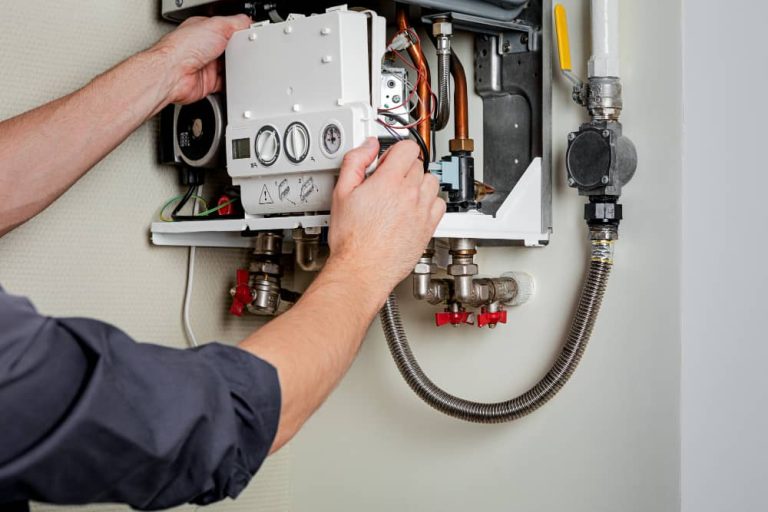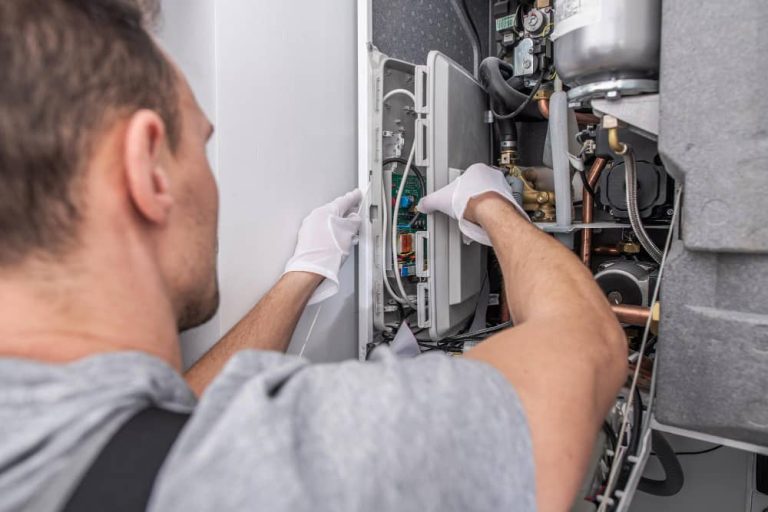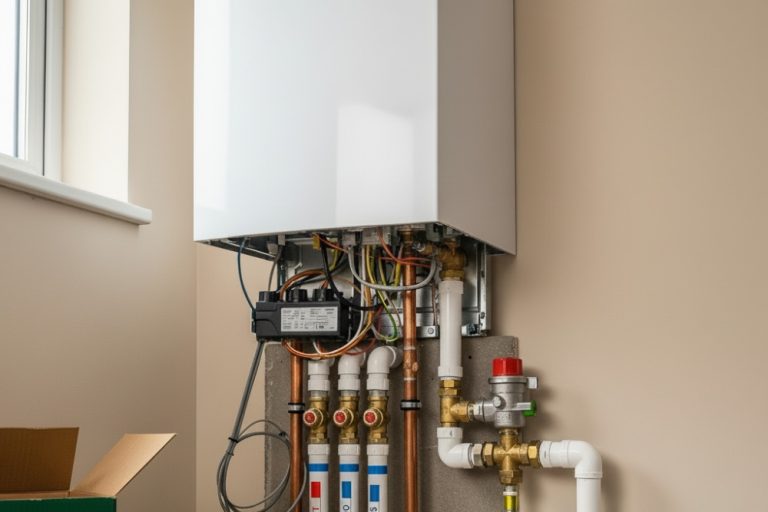
Boiler pressure problems can cause headaches for homeowners, especially when it leads to heating issues or system faults. Understanding how your boiler’s pressure works, what causes it to fluctuate, and how to adjust it correctly can help keep your home warm and your boiler running smoothly. In this guide, we’ll cover everything you need to know about boiler pressure adjustment, common problems, and troubleshooting tips.
What is Boiler Pressure?
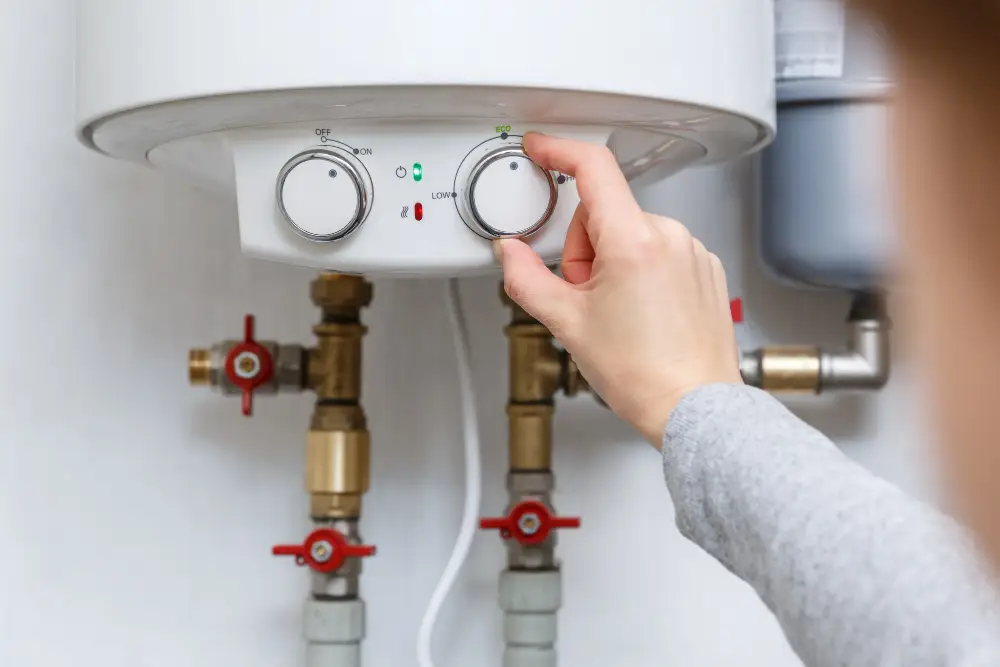
Boiler pressure refers to the pressure of the water inside the central heating system. It’s essential for efficient heating performance. Most modern boilers have a pressure gauge on the front panel, which allows you to check the current pressure easily.
The recommended pressure is usually between 1 and 2 bar when the system is cold. Too high or too low pressure can cause your boiler to stop working efficiently or even shut down altogether.
Common Boiler Pressure Problems
Boiler pressure problems are one of the most common issues homeowners face. Below is a table summarising typical causes of pressure fluctuations:
| Problem | Possible Cause |
| Low boiler pressure | Water leaks, bleeding radiators, system faults |
| High boiler pressure | Overfilled system, faulty expansion vessel |
| Pressure rising and falling | Leaks or trapped air in the system |
If your boiler pressure is too low, you may notice the heating doesn’t work properly, or the boiler may display an error code. Conversely, high pressure can strain the system, leading to leaks or damage.
Let’s look at each of these issues in more detail and explore how they can affect your boiler’s performance.
Low Boiler Pressure
Low boiler pressure is one of the most common complaints. Most modern boilers operate efficiently when the pressure is between 1 and 1.5 bar when cold. If the pressure drops below this, it can cause the boiler to lock out as a safety measure, leaving you without heat or hot water.
The most likely cause of low pressure is a water leak somewhere in the system. This could be a small drip from a radiator valve, a hidden leak under the floorboards, or even a slow leak from the boiler itself. Over time, these leaks can cause the system to lose pressure.
Another reason for low pressure is the bleeding of radiators. While bleeding is an essential maintenance task that removes trapped air from the system, it also releases water. If you bleed several radiators and don’t top up the system afterwards, the boiler pressure can drop significantly.
Occasionally, system faults like a faulty pressure relief valve or automatic air vent can also contribute to low pressure. These are trickier to diagnose and usually require a professional to check and repair.
High Boiler Pressure
High boiler pressure, on the other hand, can also cause problems. While it’s less common than low pressure, it’s no less important to address. When the pressure gauge consistently reads above 2.5 bar (when cold), the system is under too much strain.
One of the most common reasons for high pressure is an overfilled system. This can happen if the filling loop valve is left open by mistake after topping up the system, or if the user accidentally fills it too much.
Another frequent cause is a faulty expansion vessel. The expansion vessel is designed to accommodate the natural increase in pressure when the water in the system heats up. If it fails (often due to a punctured internal diaphragm), it can no longer absorb this extra pressure, leading to an increase that might trigger the pressure relief valve and cause water to escape from the system.
A constant high pressure reading should be investigated as it can cause leaks and, in some cases, damage internal components like seals and valves.
Pressure Rising and Falling
Sometimes, homeowners notice that the boiler pressure rises and falls repeatedly. This is often due to leaks or trapped air in the system. When the system heats up, water expands and raises the pressure. If there’s air in the system, it can get compressed or moved around, causing fluctuations in the pressure gauge.
Leaks in pipework, radiators, or the boiler itself can also cause the system to lose pressure when it cools down. This is because water escapes through the leak as the system cools, and when it heats back up, there’s less water in the system to maintain the proper pressure.
Occasionally, these fluctuations can be caused by a failing pressure relief valve or an expansion vessel that’s not functioning correctly, both of which are important to address promptly.
Why It Matters
Ignoring boiler pressure problems can have serious consequences. Low pressure can leave you without heating or hot water, especially in the colder months, while high pressure can lead to leaks, water damage, or costly repairs. Moreover, consistent pressure fluctuations can strain your boiler’s internal components, shortening its lifespan and leading to frequent breakdowns.
If you experience any of these issues regularly, it’s always wise to check your boiler’s user manual or consult a qualified engineer to ensure the system is safe and functioning correctly.
How to Check and Adjust Boiler Pressure
If your boiler’s pressure is too high or too low, it’s essential to know how to perform a boiler pressure adjustment. Here’s a step-by-step guide:
| Step | Action |
| Check the gauge | Look at the pressure gauge on your boiler. If it’s below 1 bar (too low) or above 2.5 bar (too high), it needs adjustment. |
| Increase pressure | If too low, locate the filling loop (usually a silver flexible pipe) and open the valve slowly until the pressure gauge reads between 1 and 1.5 bar. |
| Decrease pressure | If too high, you may need to bleed a radiator to release water and reduce pressure. Make sure the boiler is off and the system is cool before doing this. |
| Monitor pressure | Keep an eye on the gauge over the next few days to ensure it remains stable. |
Boiler Troubleshooting Tips
If adjusting the pressure doesn’t solve the problem, it’s time to investigate further. Boiler pressure problems can be caused by a variety of underlying issues, and troubleshooting them effectively can help prevent more serious damage to your heating system. Here are some practical boiler troubleshooting tips to consider:
Check for Visible Leaks
One of the most common reasons for pressure loss is a leak somewhere in the system. Even small drips around radiator valves, pipe joints, or underneath the boiler itself can gradually cause the pressure to drop. Regularly inspect areas around your boiler and radiators for signs of water, including damp patches or corrosion. Pay close attention to pipework joints and radiator connections, as these are common leak points.
If you find a leak, it’s important to address it quickly. Even small leaks can cause long-term damage to your central heating system, including corrosion and scale build-up. While minor leaks might be resolved with a spanner and some PTFE tape, significant or persistent leaks should always be repaired by a professional to ensure the safety and integrity of the system.
Bleed Radiators
Trapped air in the radiators can cause uneven heating and fluctuations in boiler pressure. If you notice that some radiators are cold at the top but hot at the bottom, it’s likely that air has become trapped inside. Bleeding your radiators is a simple but essential maintenance task that can improve your system’s efficiency and help stabilise boiler pressure.
To bleed a radiator:
- Turn off the heating and allow the system to cool.
- Use a radiator key to slowly open the bleed valve at the top of the radiator.
- Hold a cloth underneath to catch any drips of water.
- Close the valve when water starts to flow steadily.
Remember to check the boiler pressure afterwards, as bleeding radiators can cause a slight drop in system pressure. Top up the pressure if needed using the filling loop, as outlined in the manufacturer’s instructions.
Look for Error Codes
Modern boilers are equipped with diagnostic displays that show error codes when something is wrong. These codes are designed to help both homeowners and engineers identify issues quickly and accurately. Common error codes relate to problems such as low water pressure, ignition failures, or sensor faults.
If your boiler is displaying an error code, refer to the user manual to decode what it means. Some issues can be resolved by resetting the boiler or adjusting the pressure, while others—such as electrical faults or gas supply issues—require professional attention.
Call a Professional
If you’re unsure or the problem persists, it’s always best to call a Gas Safe registered engineer. Boilers are complex appliances, and attempting repairs without the necessary expertise can be dangerous. A professional will be able to diagnose the issue accurately and carry out any repairs safely and effectively.
Additionally, annual servicing by a qualified engineer can help prevent many common boiler pressure problems by identifying and addressing potential issues before they become serious.
By following these boiler troubleshooting tips, you can often resolve minor issues yourself and keep your heating system running efficiently. However, for anything beyond simple checks, always prioritise safety and seek professional help to ensure your home remains warm and comfortable.
Conclusion
Boiler pressure problems are common but manageable with the right knowledge and a bit of maintenance. By understanding how to check and adjust boiler pressure, you can keep your heating system running efficiently and avoid costly repairs. However, if your pressure problems persist or you need help with more serious issues, Boiler Sure is here to help. We offer comprehensive services including New Boilers, Boiler Installation, and Boiler Repair to keep your home warm and safe all year round.