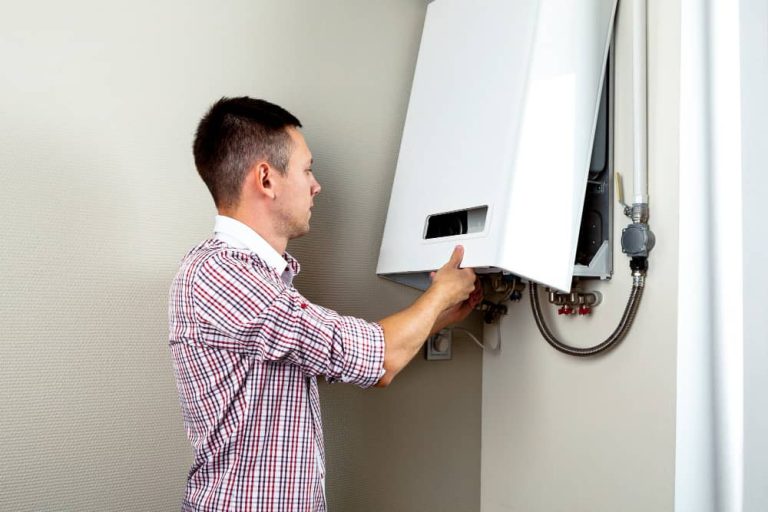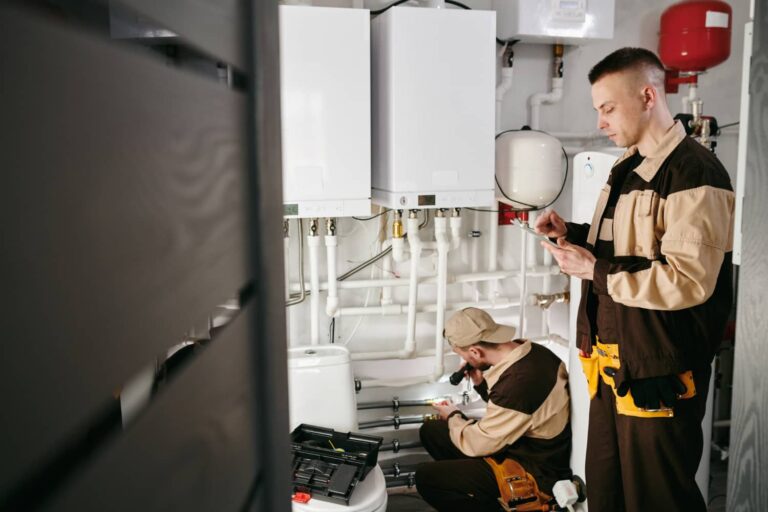

Discovering a boiler problem shortly after becoming a homeowner can be frustrating. A fault may appear at the worst possible time, leaving you wondering whether to pay for a repair or start looking for a replacement.
There is no universal answer. A relatively modern boiler with a straightforward fault may be worth repairing, while an older appliance with repeated breakdowns could make replacement a more sensible long-term option.
For first-time homeowners, the important thing is to understand the condition of the boiler before making a rushed decision. This guide explains the signs to consider, the questions to ask and how to compare repair with replacement.
Should You Repair or Replace an Old Boiler?
The right choice depends on several factors, including the boiler’s age, condition, repair history and expected future reliability.
A boiler repair may be appropriate when:
- The appliance is relatively modern
- The fault is straightforward
- Replacement parts are available
- The repair is reasonably priced
- The boiler has otherwise been reliable
Replacement may deserve consideration when:
- The boiler is significantly older
- Breakdowns are becoming frequent
- Several components are failing
- Repair costs are becoming substantial
- The appliance is increasingly unreliable
- Suitable replacement parts are difficult to source
Age alone does not determine whether a boiler should be replaced. A professional assessment is more useful than automatically replacing an appliance simply because it has been in the property for a certain number of years.
If you are dealing with a fault and are unsure what to do next, contact Boiler Sure for professional guidance. The team can assess the problem and help explain whether repair or replacement is the more sensible route.
What Are the Most Common Boiler Problems?
Boilers can develop a wide range of faults, and some symptoms can have several possible causes.
Common issues include:
No Heating or Hot Water
A boiler may stop providing heat because of an internal fault, control issue, pressure problem or another system-related issue.
Low Boiler Pressure
Pressure can fall for several reasons, including leaks or faults within the heating system. Repeated pressure loss should be investigated rather than simply topped up again and again.
Unusual Noises
Banging, whistling or gurgling sounds can indicate a problem that requires professional attention.
Frequent Resetting
If a boiler repeatedly shuts down and needs resetting, there may be an underlying fault that needs diagnosis.
Uneven Heating
Cold radiators or inconsistent heating may not necessarily mean the boiler itself has failed. The wider heating system may also require attention.
Homeowners should avoid attempting gas appliance repairs themselves. Gas work should be carried out by an appropriately qualified professional.
How Much Does a Boiler Repair Cost?
There is no single repair price because the cost depends on the fault, parts required, labour and complexity of the job.
A straightforward repair may be relatively inexpensive, while replacing a major component can be considerably more costly.
Before authorising significant work, ask:
- What has caused the fault?
- Which component needs attention?
- Is the repair likely to solve the problem?
- Is the part available?
- What is the estimated total cost?
- Is there a warranty on the repair?
- Is the boiler otherwise in reasonable condition?
A clear explanation can help you decide whether repairing the existing appliance makes financial sense.
When Does Repair Become Poor Value?
A repair can become less attractive when the boiler has a history of repeated faults or requires increasingly expensive components.
For example, paying for one minor repair on an otherwise reliable boiler is very different from repeatedly replacing expensive components on an ageing appliance.
The key question is not simply “How much is this repair?” but “What is the likely value of repairing this boiler compared with replacing it?”
A professional can help assess the condition of the appliance and explain the options.
Does Boiler Age Matter?
Yes, but it should not be considered in isolation.
Older boilers can become less attractive to repair if parts are difficult to source or if several components are reaching the end of their useful life.
An older appliance may also have different efficiency characteristics from a modern replacement.
However, replacing a boiler simply because it is old is not always necessary. If it remains safe, reliable and economical to maintain, continued servicing may be appropriate.
The decision should be based on condition, reliability, repair requirements and household circumstances.
What Should You Consider Before Replacing Instead of Repairing?
If replacement is being considered, look at the whole project rather than the boiler alone.
Important factors include:
| Consideration | Why it matters |
| Boiler type | Determines how heating and hot water are provided |
| Boiler output | Should suit the property |
| Installation position | Can affect installation complexity |
| Existing pipework | May require assessment or changes |
| Controls | Could be upgraded during replacement |
| Warranty | Provides manufacturer coverage |
| Installation cost | Affects the overall budget |
| Future servicing | Important for ongoing reliability |
Replacing a boiler can also provide an opportunity to address weaknesses elsewhere in the heating system.
Should You Repair a Boiler That Keeps Breaking Down?
Repeated faults are a reason to look at the bigger picture.
If you have already paid for several repairs within a relatively short period, another repair may not provide the confidence you need.
That does not automatically mean replacement is the answer. Ask the installer or engineer to explain the likely future risks and whether the current appliance remains economical to maintain.
A clear diagnosis can help you make the decision based on evidence rather than frustration.
If you are facing another breakdown and are unsure whether to keep repairing the appliance, Boiler Sure can assess the situation and explain the available options. Speak to the team before committing to major replacement work.
Could a Repair Solve the Problem Without Replacing the Boiler?
Absolutely.
Not every fault means the boiler has reached the end of its useful life.
For example, a faulty component, control problem or pressure issue may be repairable without replacing the appliance.
This is why homeowners should be cautious about assuming that every boiler problem requires a new boiler. Diagnosis should come first.
A professional assessment can distinguish between a repairable fault and signs of a wider decline.
What If the Boiler Is Safe but Inefficient?
Efficiency can form part of the replacement decision, particularly when an older boiler is becoming expensive to operate.
However, efficiency should be considered alongside repair history, reliability and installation cost.
If an appliance is working safely and reliably, a homeowner may decide that continued maintenance is appropriate. If it is also becoming unreliable and expensive to repair, replacement could offer greater long-term confidence.
The best decision depends on the individual property and household.
A Typical First-Time Homeowner Example
Imagine a homeowner who has recently moved into a Stirling property. The boiler is several years old and has developed a fault.
An engineer identifies a failed component that can be replaced at a reasonable cost. The rest of the appliance is in good condition and has a history of reliable operation.
In this situation, repairing the boiler may be sensible.
Now consider a different homeowner with an older appliance that has required several repairs over the past year. Another major component has failed, and the repair would be expensive.
In that case, comparing the repair with a replacement quotation may provide a more sensible way forward.
The difference is not simply the fault itself. It is the condition and reliability of the complete appliance.
What Questions Should You Ask About a Repair?
Before approving work, ask:
- What exactly has failed?
- Can the fault be repaired?
- How much will the repair cost?
- Is the part available?
- Is the repair covered by a guarantee?
- How old is the boiler?
- Are there other known problems?
- Is replacement likely to become necessary soon?
- Would a new boiler be more economical long term?
- What would replacement involve?
These questions can help you make a considered decision rather than reacting to the immediate problem.
Frequently Asked Questions
Final thoughts
The decision between repair and replacement should not be based on panic, age alone or the price of one repair. A proper diagnosis gives you a much clearer picture of what has gone wrong and whether the existing boiler remains worth maintaining.
For first-time homeowners, the best approach is to compare the immediate repair with the appliance’s overall condition, repair history and likely future reliability.
If you need boiler repair Stirling homeowners can arrange through Boiler Sure, the team can assess the fault and explain your options. Where replacement is more appropriate, you can also receive guidance on choosing a suitable new heating system.